Short Dive: Beyond the Shadows
A research-based guide to why dark circles and puffy eyes happen and how to treat them naturally and effectively
Expensive eye creams. Viral serums. Cucumber slices. Cold spoons. Tea bags.
Everything went on my under eyes and nothing really changed.
Dark circles became the kind you can’t “sleep off.” Concealer stopped being enough. Sometimes concealer made it worse, turning the under-eye area ashy and gray. Now the routine looks like: color corrector first, then concealer… every single day. Skipping it means instant panda eyes, and honestly, that gets old fast.
So I finally did the thing most of us don’t do at the start: I stopped treating the symptom and started researching the cause.
Big surprise: “dark circles” isn’t one problem. Different types exist, and they don’t all respond to the same fixes. Some are pigment-related. Some are vascular (thin skin + visible blood vessels). Some are structural (hollows/shadowing). Some are swelling-related (puffiness and fluid retention). No wonder random creams and home remedies felt like throwing darts in the dark—I didn’t even know what I was aiming at.
So here’s what this short dive is going to do, in an evidence-based way:
Break down the under eye anatomy (why that skin behaves differently)
Explain the main types of dark circles and puffy eye bags (and how to tell which one you have)
Cover common triggers that make them worse—genetics, allergies, congestion, sleep quality, hydration, diet, inflammation, and facial structure
Share practical, holistic strategies that actually match the cause, from lifestyle and nutrition to targeted home remedies that make sense for your specific type
Dark circles and puffy eye bags aren’t always “just cosmetic.” Sometimes they reflect what’s happening with sleep, stress, allergies, or circulation and sometimes they’re simply your anatomy doing anatomy things. Either way, understanding the “why” changes everything. Root cause beats cover-up.
If you’re like me—stuck in the loop of trying product after product without real results give this a read. Chances are, one missing detail (your type) is why nothing has worked so far. Let’s get into it.
Chapter 1: What Are Dark Circles and Puffy Eyes?
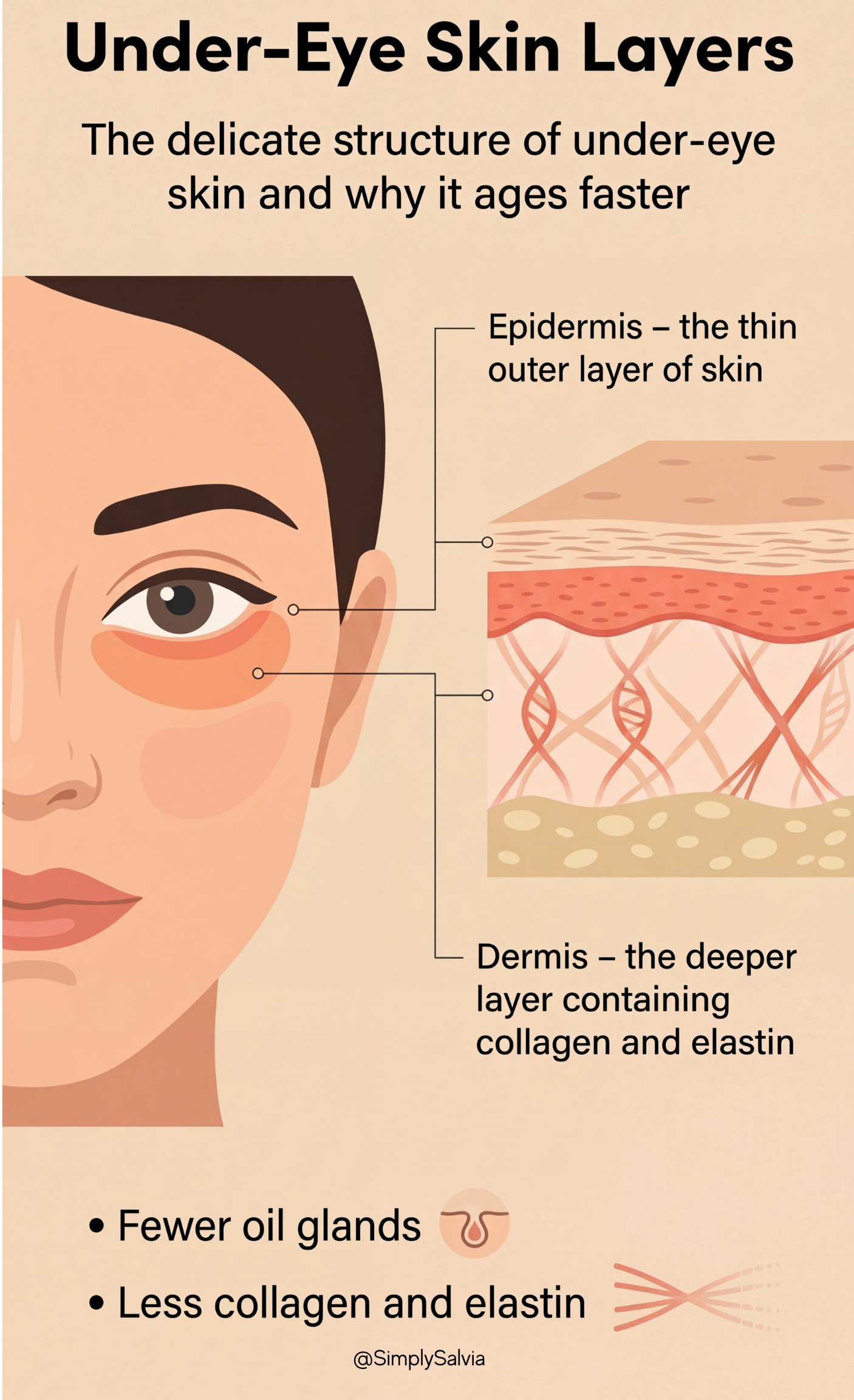
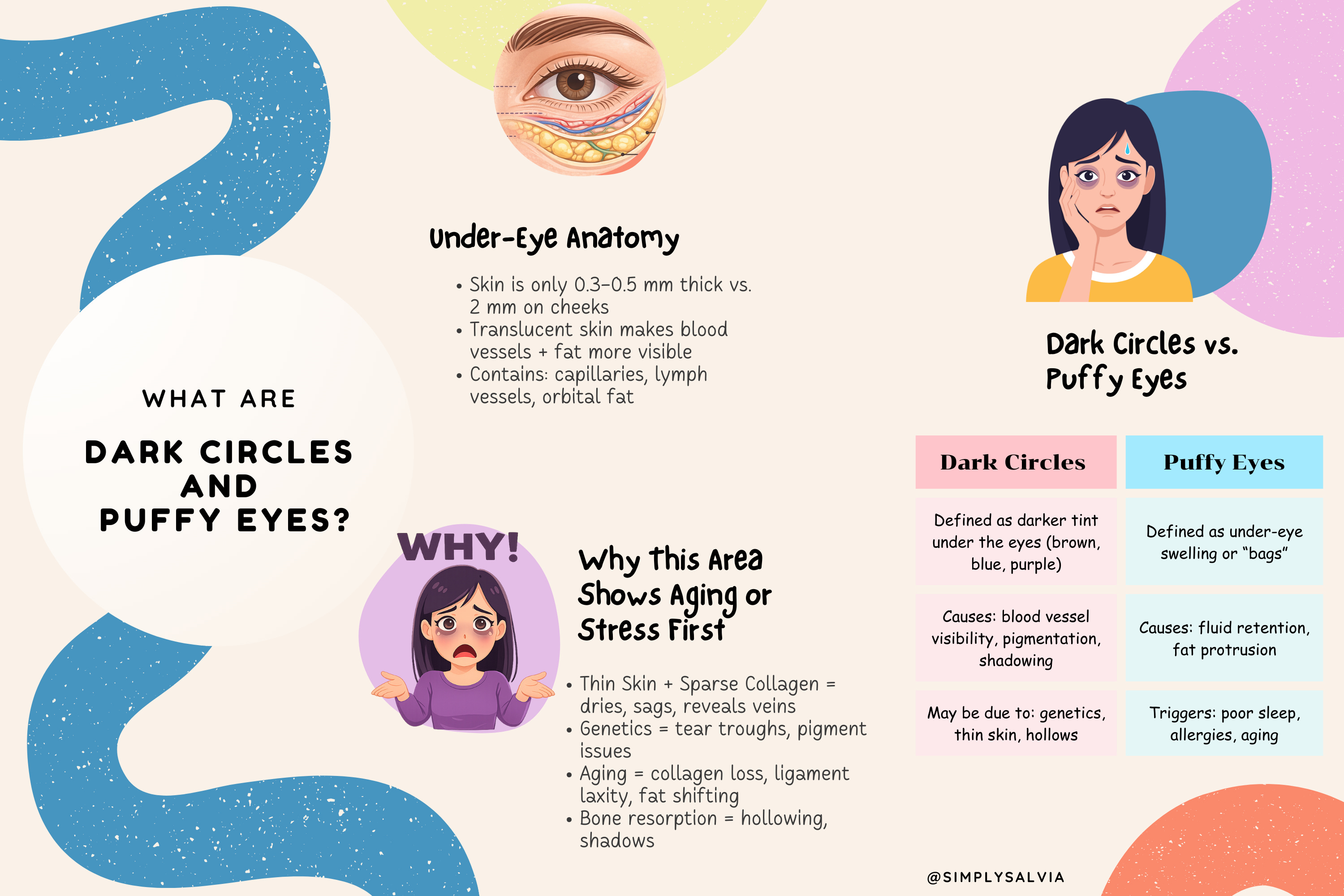
The under-eye area is unique and delicate. The skin here is extremely thin – about 0.3–0.5 mm compared to upto 2 mm on the cheeks. This thin, fragile skin is almost translucent, which means the blood vessels and structures underneath are more visible. Right beneath this skin lie capillaries, lymphatic vessels, and a cushion of orbital fat that supports the eye. Because everything is so close to the surface, it’s easy to see how changes under the skin (like blood pooling or fluid retention) can show up as discoloration or swelling above.
Dark Circles
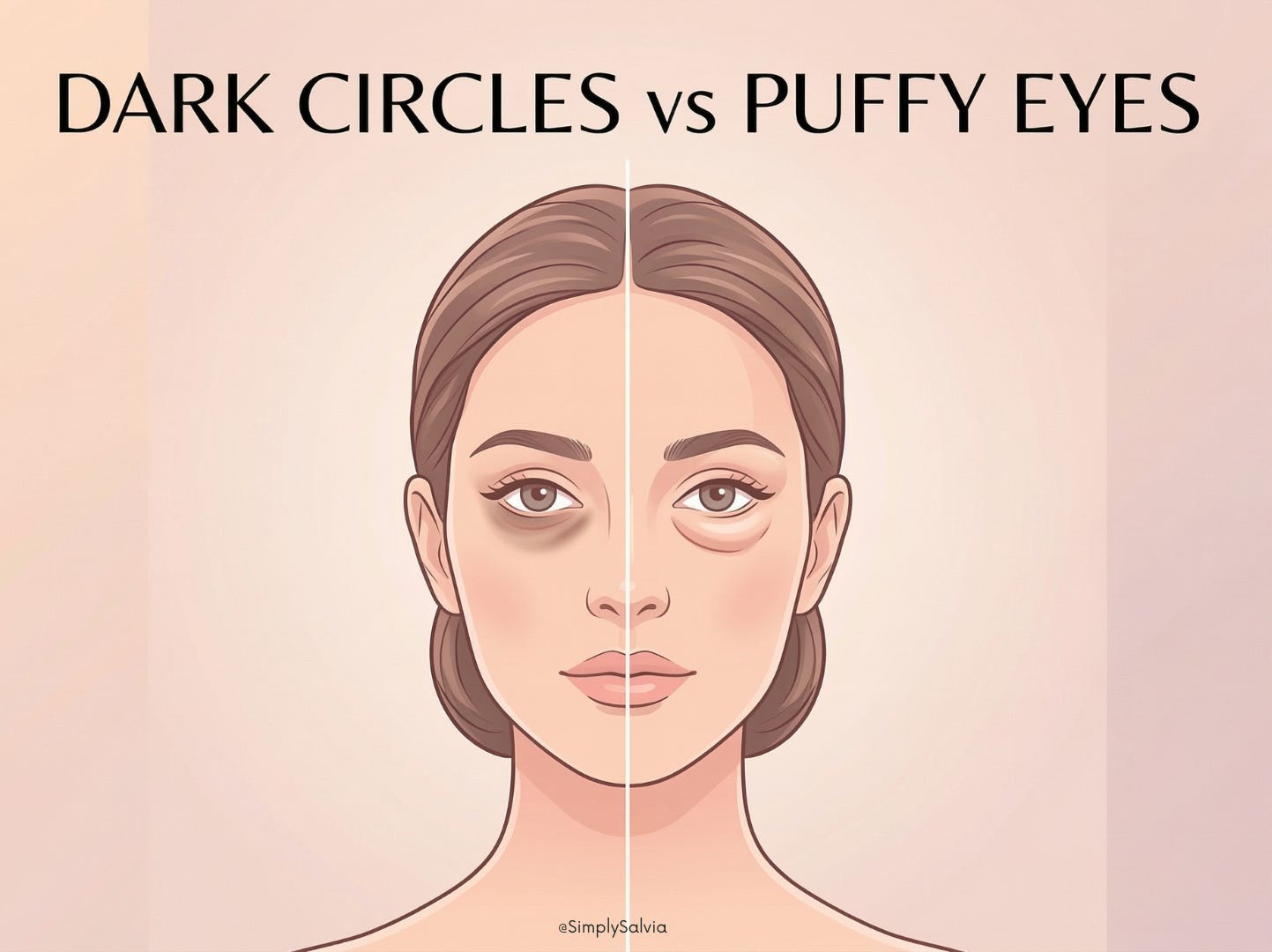
It refer to a darker color under the eyes. They can look brown, blue, or purple depending on the cause (more on types later). The skin isn’t actually bruised – these colors come from light reflecting off blood vessels or excess pigment in that thin skin.
Puffy Eyes
They refer to a swelling or “bag” under the lower eyelid, caused by fluid buildup or protruding fat. It’s common to have both dark tint and puffiness together, for example, when you haven’t slept well, you might wake up with both swollen, dark-ringed eyes.
Why is the Eye Area so Prone to these Issues?
Several anatomical factors make it vulnerable: the thin skin I mentioned, a sparse amount of collagen and elastin (the proteins that keep skin firm), and fewer oil glands. This means under-eye skin can dry out, sag, or thin more easily than other areas. The orbicularis oculi muscle (the circular muscle around the eye) and supporting ligaments are right under the skin, and as we age, we lose fat and bone support here. All these factors combined lead to the under-eyes showing signs of stress or aging faster than other parts of the face.
Another reason is genetics and bone structure. Some people naturally have deep-set eyes or a more pronounced tear trough (the groove from the inner corner of the eye along the cheek). This can cast a shadow that looks like a dark circle, even if their skin pigment is normal. Others might inherit thinner skin or a tendency for under-eye pigmentation. If your parents have prominent eye bags or dark circles, you may develop them earlier or more intensely, not as a rule, but as a predisposition.
Finally, aging plays a role in both dark circles and puffiness. Over time, skin loses collagen and gets even thinner and more translucent. This makes blood vessels underneath more noticeable and can give a bluish hue to the under-eyes. Fat in the cheeks and under the eyes also shifts or diminishes with age, leading to hollows (which create shadows) and sometimes causing the fat under the eye to protrude (leading to a permanent “bag”). The ligaments that support under-eye tissues get lax, and bone resorption (bone thinning) in the eye socket can worsen the hollow appearance. All told, an older eye may look more sunken with darker shadowing and have more bulge or loose skin compared to a youthful eye.
In summary, dark circles are usually a pigmentation or visibility issue (seeing what’s beneath the skin), and puffy eyes are a swelling or structural issue. But they often overlap. A night of poor sleep might give you both: dilated blood vessels (dark bluish circles) and fluid retention (morning puffiness). Conversely, someone could have chronic bags from fat pads but no discoloration, or brown pigmentation but no swelling. Understanding exactly what you’re seeing under your eyes, whether it’s true pigmentation, a shadow from a hollow, or pooled fluid is the first step in addressing it. In the next chapter, I’ll delve into the many causes behind these pesky under-eye changes.
Chapter 2: What Causes Them?
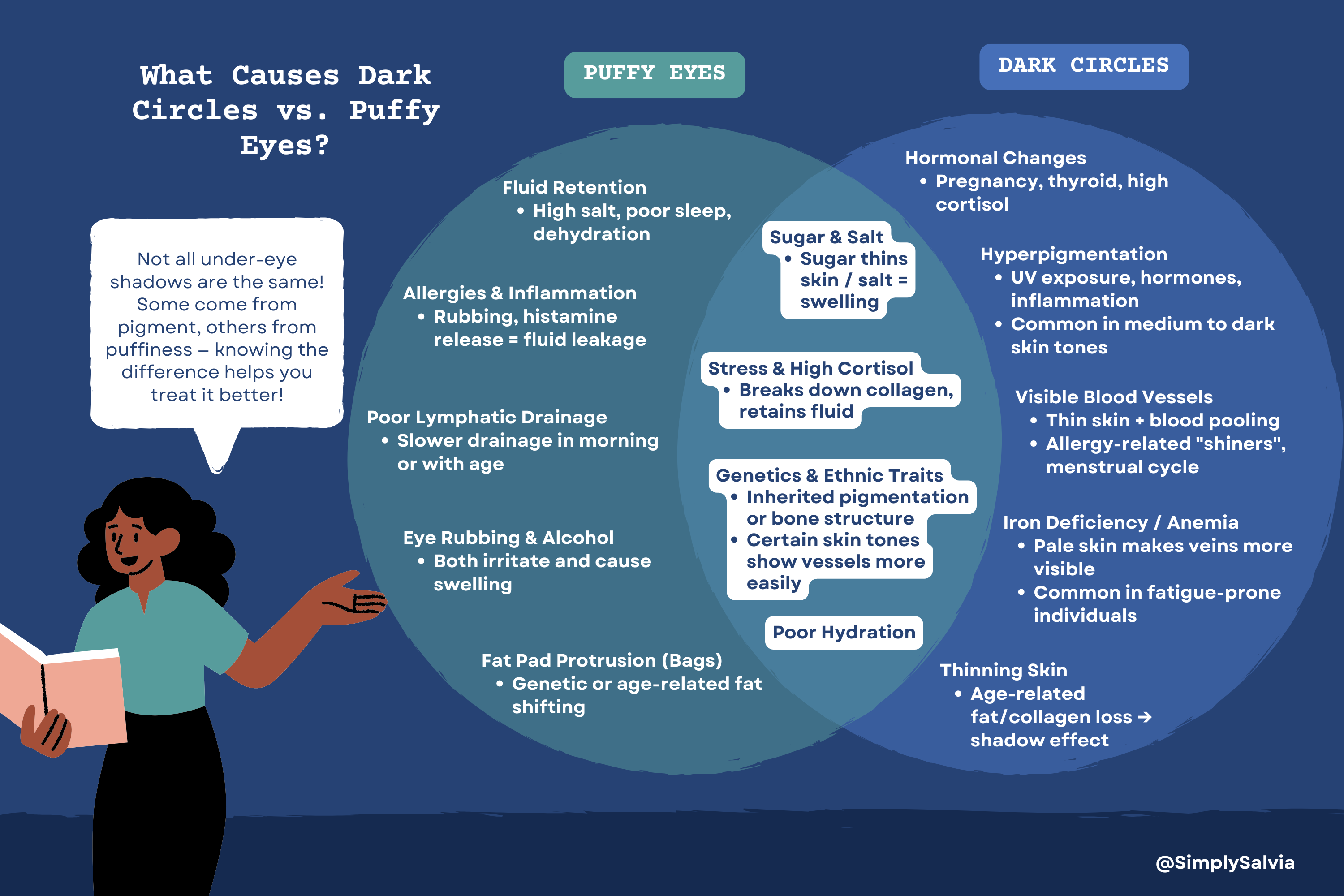
Both dark circles and puffy eyes have a variety of causes, often overlapping. Let’s break them down into two categories (dark circle causes vs. puffiness causes), and then note the common triggers they share.
Causes of Dark Circles:
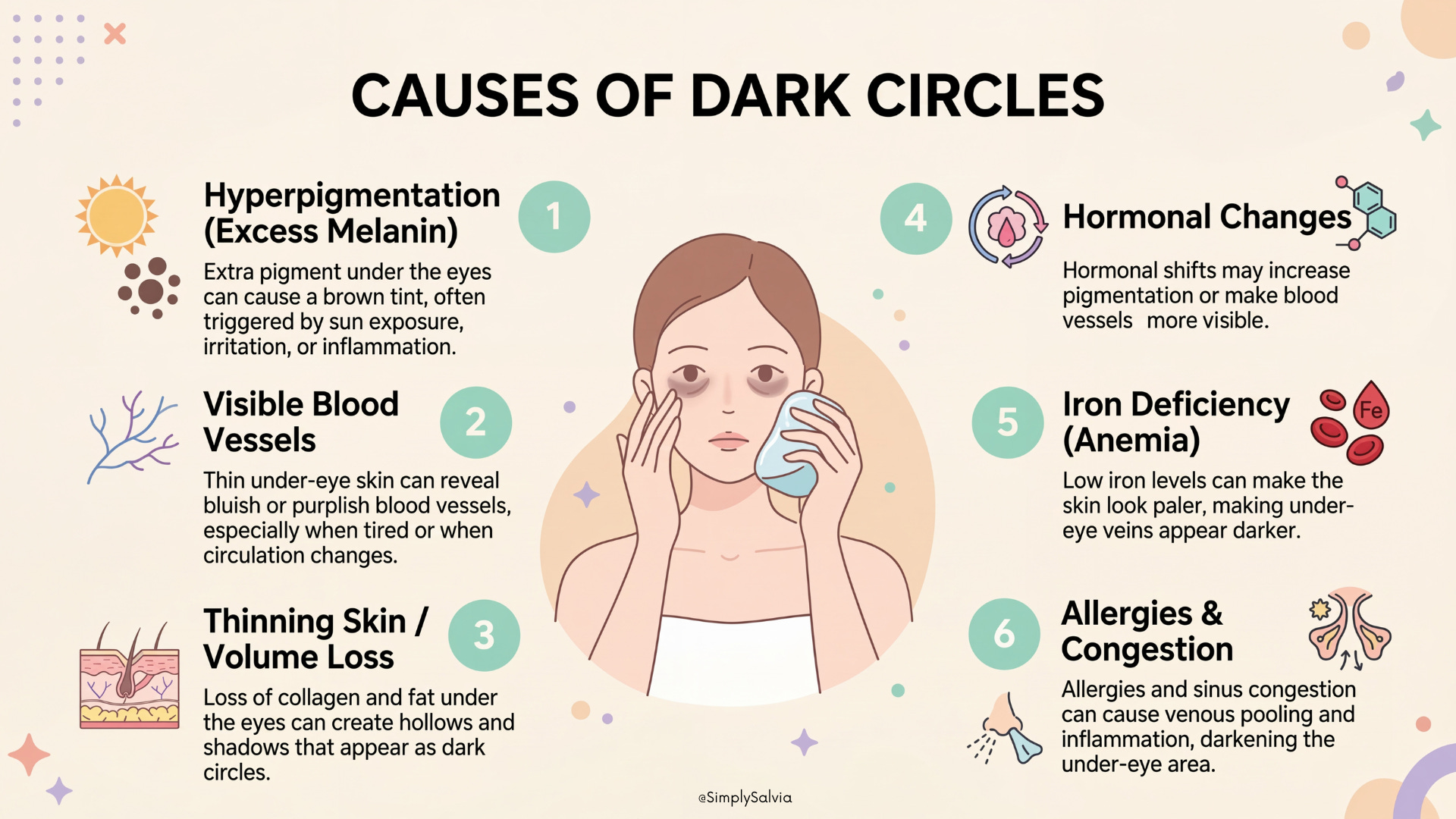
Hyperpigmentation (Excess Melanin)
Sometimes the skin under the eyes actually has more pigment. This can happen from chronic sun exposure (UV rays trigger melanin production), hormonal changes, or even inflammation. For example, years of unprotected sun can lead to a persistent brown tint around the eyes. People with medium to darker skin tones might be more prone to this type of brown hyperpigmentation. Rubbing or irritation (such as from eczema or allergies) can also deposit extra pigment as the skin heals, a form of post-inflammatory hyperpigmentation.
Visible Blood Vessels / Vascular Pooling
In many cases, dark circles are “blue” or “purple” because of blood under the skin. Remember that under-eye skin is thin and translucent so the blood in capillaries can show through with a bluish hue. When you’re tired or haven’t slept, your skin can look paler and blood vessels dilate, making the under-eye area look darker. Nasal congestion from allergies can also back up the veins around the eyes, causing that purplish tone often called “allergic shiners.” In women, hormonal shifts during the menstrual cycle can make vessels more pronounced (some notice their circles look worse during their period). Any condition that leads to blood pooling or poor circulation under the eyes can contribute to darker circles.
Thinning Skin or Volume Loss
Sometimes what we perceive as a “dark circle” is actually a hollow or indentation casting a shadow. As we age, we lose fat and collagen under the eyes, and the tear trough (the groove below lower eyelid) becomes more sunken. This depression creates a shadow that can look like a dark semicircle under the eye. Additionally, as skin gets thinner, the underlying muscle (which is a dark reddish color) and blood vessels show through more easily, making the area look darker. So, thinning skin + hollow = a structural dark circle.
Hormonal Changes
Beyond monthly cycle effects, other hormonal shifts might influence the under-eye area. For instance, pregnancy can cause skin changes and sometimes a condition called melasma (though melasma typically appears on the cheeks/forehead, some women notice darkening around eyes too). Thyroid issues, which I’ll discuss in Chapter 3, can also indirectly affect skin pigmentation and fluid balance. High levels of stress hormones (like cortisol) over time may break down collagen, thin the skin, and worsen dark circles. While hormones are rarely the sole cause, they can exacerbate underlying tendencies (like making vessels more visible or triggering pigment production).
Iron Deficiency (Anemia)
Iron-deficiency anemia is a common nutritional issue that can show through your face. When you’re anemic, you have fewer red blood cells or hemoglobin, so your blood carries less oxygen. This often makes one’s complexion more pale. Paler skin contrasts more starkly with the bluish veins under the eyes, making dark circles more apparent. Additionally, anemia can leave you feeling tired and under-oxygenated, which might indirectly worsen the appearance of under-eye circles. In one study of people with chronic dark circles, about half had iron deficiency anemia, suggesting a significant link. Treating the anemia (with diet or supplements) often improves the darkness if iron was a factor.
Causes of Puffy Eyes:
Fluid Retention
Ever wake up with a puffy face after a salty meal or a good cry? The thin tissue around the eyes easily accumulates fluid. Eating a high-sodium diet causes the body to retain water, which can pool under the eyes overnight, leading to that “morning puffiness.” Dehydration can paradoxically cause puffiness too – when you don’t drink enough water, your body holds on to fluids, and eyes can look swollen. Poor sleep is another factor: lack of sleep can disrupt the balance of hormones that regulate water in the body, and you might see puffier eyes (and often darker circles) after insomnia. Sleeping position matters as well: if you sleep flat on your back or stomach, fluid can collect under the eyes due to gravity. That’s why elevating your head can help (I’ll discuss in remedies).
Allergies & Inflammation
Allergies (like hay fever, dust allergies, pet dander allergy) often cause inflammation in the delicate tissues around the eyes. The term “allergic shiners” refers to the dark, puffy under-eyes of someone with chronic nasal allergies – blood pools and fluid leaks due to constant inflammation and rubbing. Histamine release can make blood vessels leaky, so fluid seeps into the soft tissue, causing swelling. Likewise, any irritation of the eyes (smoke, strong fragrances, crying emotional tears) can lead to inflammation and puffiness. People with sinus infections or sinus congestion often notice puffy lids and under-eyes because of fluid backup.
Poor Lymphatic Drainage
The lymphatic system is like the body’s drainage network for fluids. The under-eye area has lymphatic vessels that usually carry away excess interstitial fluid. If you’re sedentary or if the lymph circulation is sluggish (could be due to genetics or aging), fluid might not drain efficiently, accumulating as under-eye puffiness. Sometimes gently massaging the area can stimulate lymph flow and reduce the swelling (I’ll cover techniques in Chapter 7). In the morning, lymph drainage is naturally slower (since you’ve been lying down not moving all night), which is why puffiness is worst when you wake up.
Eye Rubbing, Alcohol, and Other Lifestyle Factors
Rubbing your eyes frequently (due to tiredness or itchiness) can both deposit pigment (causing darkness) and cause irritation and fluid buildup (causing puffiness). It’s a double whammy – the mechanical stress can inflame the area and minor capillaries can break. Alcohol consumption often leads to puffy eyes because alcohol causes blood vessels to expand and also dehydrates you, prompting the body to hold onto water. Ever notice how your face can look bloated after a night of heavy drinking? The eye area is no exception. Additionally, alcohol and lack of sleep often go hand-in-hand, compounding the effect. Certain medications (like high blood pressure meds or corticosteroids) can cause water retention as well, which might show up around the eyes.
Structural or Fat-Related Puffiness
Not all “bags” are fluid though some are due to fat. We all have a little fat pad under each eye (which helps cushion the eyeball). With age, the membrane that holds that fat in place can weaken, and the fat prolapses or pushes forward, creating a persistent bulge under the eye. This is often genetic, some people in their 20s start to get noticeable fat bulges, while others have flat under-eyes into old age. This kind of puffiness doesn’t fluctuate much day to day (because it’s actual tissue, not fluid). It’s often more pronounced after sleeping or when you’re swollen, but even on good days you might see a slight bag. Unfortunately, lifestyle changes alone may not remove fat-based eye bags (those sometimes require medical treatments like fillers or surgery), but you can definitely minimize any additional swelling on top of them. Another structural cause is lax skin – as skin and muscle lose tone, they sag, creating a pouch that can look puffy. In summary, if your under-eye “bags” are constant and don’t go away with lifestyle changes, protruding fat pads could be to blame.
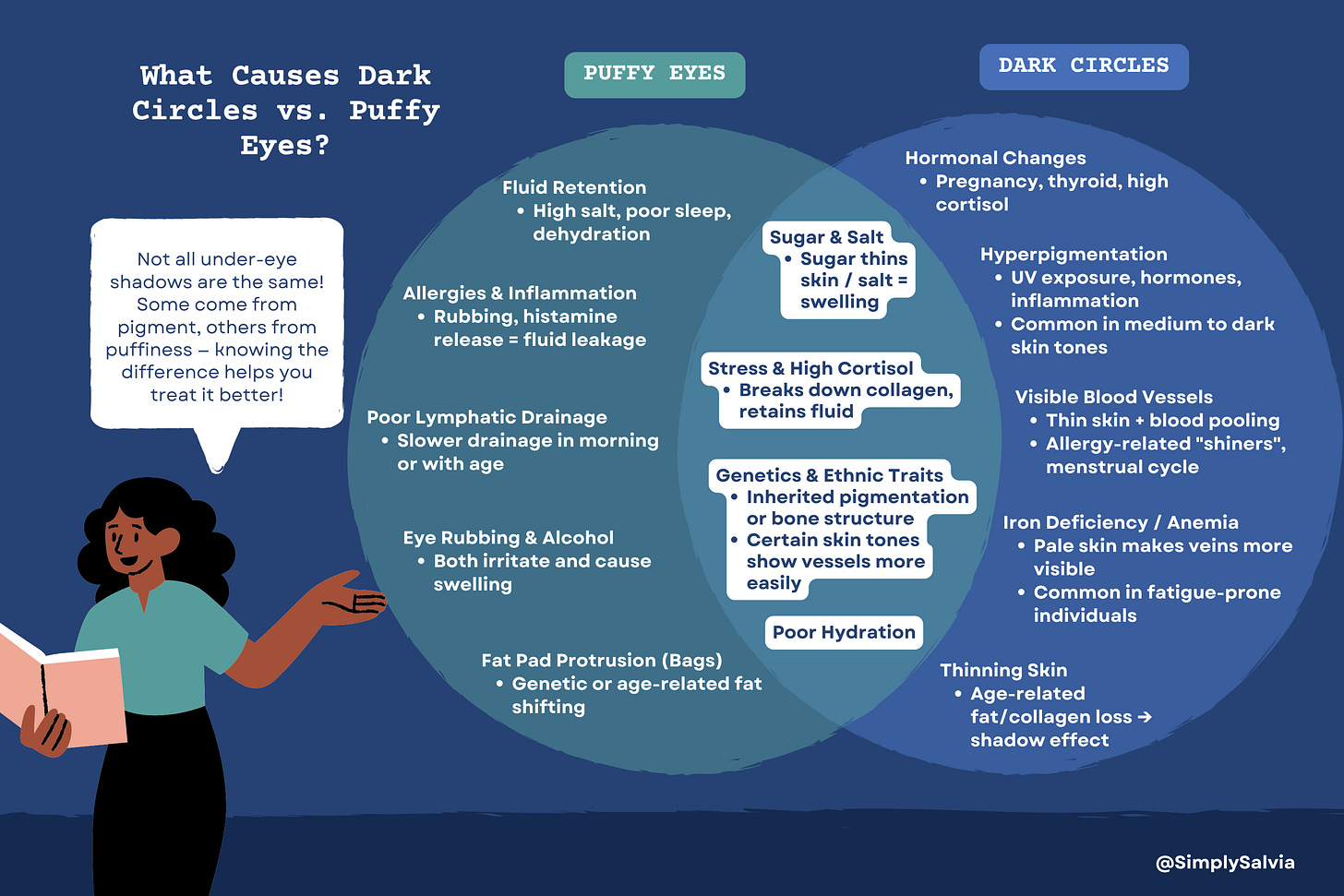
Shared Triggers
Stress and High Cortisol
Chronic stress doesn’t just wear you out; it visibly affects your face. High cortisol (the stress hormone) over time can break down collagen, thinning the under-eye skin (making dark circles worse) and can also promote fluid retention in weird places. Stress often disturbs sleep quality as well, which leads to both darkness and swelling. Dermatologists note that people under high stress often experience more under-eye bags. Managing stress can thus indirectly improve your eye appearance by normalizing cortisol levels and improving sleep (and even reducing habits like eye rubbing).
Poor Hydration
Not drinking enough water during the day can lead to dull, sunken eyes (your body pulls water from the skin and it can make eyes look more hollow with more prominent dark vessels). Then, as mentioned, dehydration prompts your body to retain whatever fluid it can, which may collect under eyes leading to puffiness. It’s a bit of a paradox: both dehydration and over-hydration can cause puffiness but in most cases, staying adequately hydrated helps the body maintain proper fluid balance so you don’t have extremes. Proper hydration also plumps up skin a bit, which can make the area look less shadowed.
Excess Sugar and Salt in Diet
A diet high in refined sugar can increase systemic inflammation and contribute to skin glycation (damage to collagen fibers), potentially accelerating thinning of the skin and wrinkles. This could make dark circles more pronounced over time (since the support structure of the skin is weaker). Salt, as discussed, causes water retention, a single salty meal can give you noticeable under-eye edema the next morning. Also, heavy alcohol (which often comes with sugary mixers or salty snacks) is a common culprit for next-day puffiness. Keeping a balanced diet with plenty of whole foods helps; I’ll talk about specific nutrients for eye health in the nutrition chapter.
Genetics and Ethnic Predisposition
Sometimes, it really is in your genes. If your family tends to have under-eye circles or bags, you may notice them early in life. People of certain ethnic backgrounds can have more pigment around the eyes (for example, individuals of South Asian or Middle Eastern descent often report periorbital hyperpigmentation as a common concern). This doesn’t mean everyone in those groups will have it, but the predisposition is higher. Conversely, very fair-skinned people might not have brown pigment but may show blue circles easily because their skin is so light and translucent (the blood vessels show through). The shape of your face and bone structure (often determined by ethnicity) also affects shadowing. For instance, deep-set eyes (common in some Caucasian skull structures) can cast shadows, whereas some Asian ethnicities have more shallow orbits but may have a fold of skin (epicanthal fold) that creates a different under-eye appearance. Genetics also influence things like allergies, anemia, and thyroid function – conditions that can underlie circles or puffiness. So, some of it you can thank your parents for, but even genetic tendencies can be mitigated with the right care.
As you can tell, there’s a laundry list of potential causes. Often, a person’s dark circles or puffy eyes aren’t due to just one thing but a mix – say, a genetic propensity plus poor sleep and allergies. The good news is that many of these factors are within your control (sleep, diet, allergies can be treated, etc.). In the next chapter, I’ll discuss when under-eye issues might indicate a bigger health problem that needs medical attention. Otherwise, if you identify with some of the causes above, keep them in mind and I will address natural solutions for many of them in later chapters.
Chapter 3: Can It Be a Sign of a Health Problem?
Usually, dark circles and mild puffiness are benign issues (albeit annoying). However, there are times when those under-eye changes are hinting at an underlying health condition. It’s worth being aware of these, especially if your eye appearance changed suddenly or is accompanied by other symptoms. Here are some health problems associated with dark circles or puffy eyes:
Iron-Deficiency Anemia
As mentioned, anemia can make under-eye circles more apparent. If you have other signs like extreme fatigue, dizziness, headaches, pale skin, or brittle nails, it’s worth getting your iron levels checked. In one study, half of patients with chronic dark circles had anemia. The logic:
Treating the anemia (through diet or supplements) often brightens the under-eye area as your blood and skin regain a healthy color.
Thyroid Disorders (Hypothyroidism)
An underactive thyroid can cause a host of subtle symptoms, one being periorbital edema, basically puffiness around the eyes. In hypothyroidism, the body accumulates certain substances (like mucopolysaccharides) in tissues, which attract water and cause swelling. People with hypothyroidism often have a puffy, pasty face (especially noticeable in the morning) and may have swollen eyelids or bags that don’t go away easily. If your eye puffiness is persistent and you also have symptoms like weight gain, cold intolerance, fatigue, dry skin, or thinning hair, consider getting your thyroid levels tested. On the flip side, hyperthyroidism (like in Graves’ disease) can cause bulging eyes, but that’s a different mechanism (immune-related) and usually involves eye bulging rather than just under-eye bags.
Allergic Rhinitis & Chronic Sinusitis
Chronic nasal allergies (hay fever) or long-term sinus infections lead to constant congestion and inflammation. This not only dilates blood vessels under the eyes (causing dark “shiners”) but also can cause chronic under-eye puffiness due to impaired drainage. Often, people with allergies will have other signs: sneezing, itchy eyes, stuffy nose, or eczema. Treating the allergies (with antihistamines, nasal steroids, or immunotherapy) can significantly improve the under-eye appearance because you reduce the constant histamine onslaught. If your dark circles get much worse during spring or when you’re around pets, for example, allergies are a likely contributor.
Kidney Issues (and Rarely, Heart or Liver Issues)
Not to alarm anyone – in most cases puffy eyes are from simple causes but certain kidney problems can cause pronounced morning swelling around the eyes. The classic example is nephrotic syndrome, where your kidneys leak protein; one of the first signs can be periorbital edema (swollen eyelids, especially upon waking). This happens because protein loss leads to fluid leaking out of blood vessels. If you notice persistent, significant puffiness around your eyes every morning along with swelling in your ankles or frequent foamy urine, it’s worth seeing a doctor to check kidney function. Heart failure can also cause fluid retention (usually more in legs, but sometimes in face), and severe liver disease can cause blood flow changes that lead to swelling (and a symptom called “puffy face”). These conditions will usually have other obvious symptoms (like difficulty breathing or jaundice), so under-eye edema alone is rarely the first sign. Nonetheless, doctors note that swollen eyes can signal kidney or heart trouble if accompanied by other signs of fluid retention.
Chronic Fatigue Syndrome (CFS) or Adrenal Fatigue
CFS is a complicated condition characterized by extreme, long-lasting fatigue often accompanied by unrefreshing sleep, brain fog, and aches. People with chronic fatigue often have a characteristically drawn, pale face with dark circles, likely due to a combination of poor sleep quality, hormonal imbalances, and maybe immune disturbances. There’s also a concept in alternative medicine called “adrenal fatigue” (not an official medical diagnosis) which links chronic stress and burnout to under-eye darkness. The theory is that constant stress exhausts your adrenal glands (which produce cortisol and other hormones), leading to symptoms like extreme tiredness, sugar cravings, and yes, dark circles. While the science on adrenal fatigue is debated, the takeaway is that any condition leaving you exhausted or sleep-deprived can show up as shadows under your eyes.
If interested in the topic you can read more about it here:
Other Medical Conditions
A few other things to be aware of: Nutrient deficiencies beyond iron; low vitamin B12, for example, can also cause anemia and dark circles. Atopic dermatitis (eczema) around the eyes can cause darkening (from chronic rubbing and inflammation). Dermatological conditions like periorbital hyperpigmentation can be standalone diagnoses, but I covered those under causes. Some medications that dilate blood vessels (like blood pressure meds) might darken under-eye color by increasing blood flow in the area. And in rare cases, Addison’s disease (chronic adrenal insufficiency) causes hyperpigmentation in the skin, including possibly around the eyes, due to high levels of melanocyte-stimulating hormone (from the pituitary) but Addison’s comes with lots of serious symptoms (weight loss, low blood pressure, etc.), so dark circles alone wouldn’t be the main tip-off.
When to investigate further
The general rule is if your under-eye changes are sudden, severe, or asymmetric, consider seeing a doctor. For example, if one eye suddenly develops a big bag or dark circle that the other doesn’t, that’s worth checking (could be an infection, cyst, or vascular issue on that side). If you have other systemic symptoms (like those kidney, thyroid, or anemia signs described above) along with persistent dark circles/puffiness that don’t respond to normal remedies, get a medical evaluation. According to doctors, having dark circles or puffiness by itself is usually not a sign of a serious disease often it’s normal aging or lifestyle. But trust your instincts: if something feels off or your eyes look dramatically different than they used to and don’t improve with rest and care, a check-up is a good idea. A healthcare provider can run simple tests (blood work for anemia or thyroid, etc.) to rule out underlying issues. At the very least, you’ll gain peace of mind and maybe some targeted treatment that not only improves your health but also clears up your under-eye woes.
Chapter 4: Types of Dark Circles and Eye Puffiness
Not all dark circles are created equal. They come in different “shades” and causes. Similarly, there are various types of puffiness. Classifying your specific type can help you target the right solution. Here I break down the common types:
Types of Dark Circles:
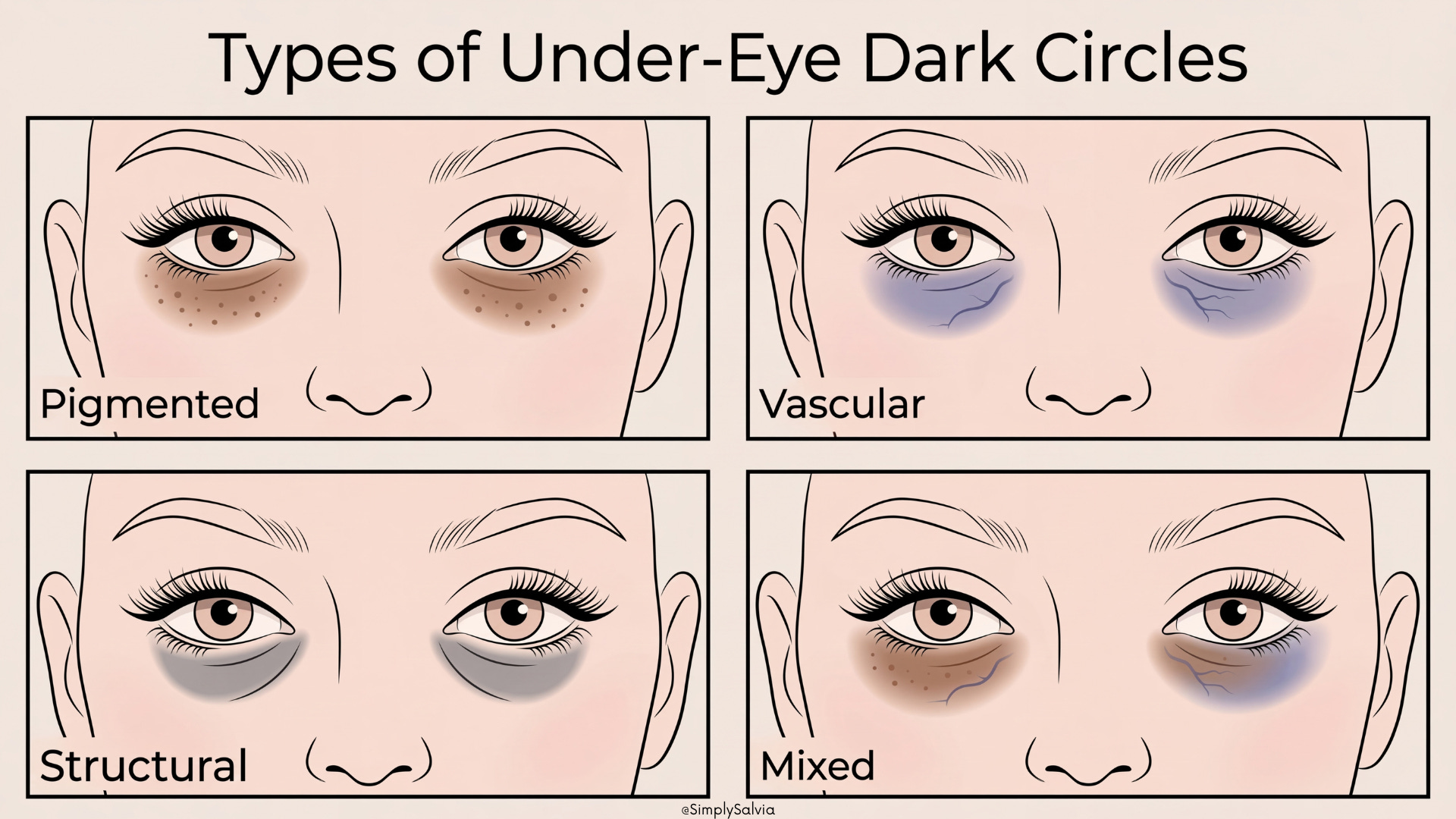
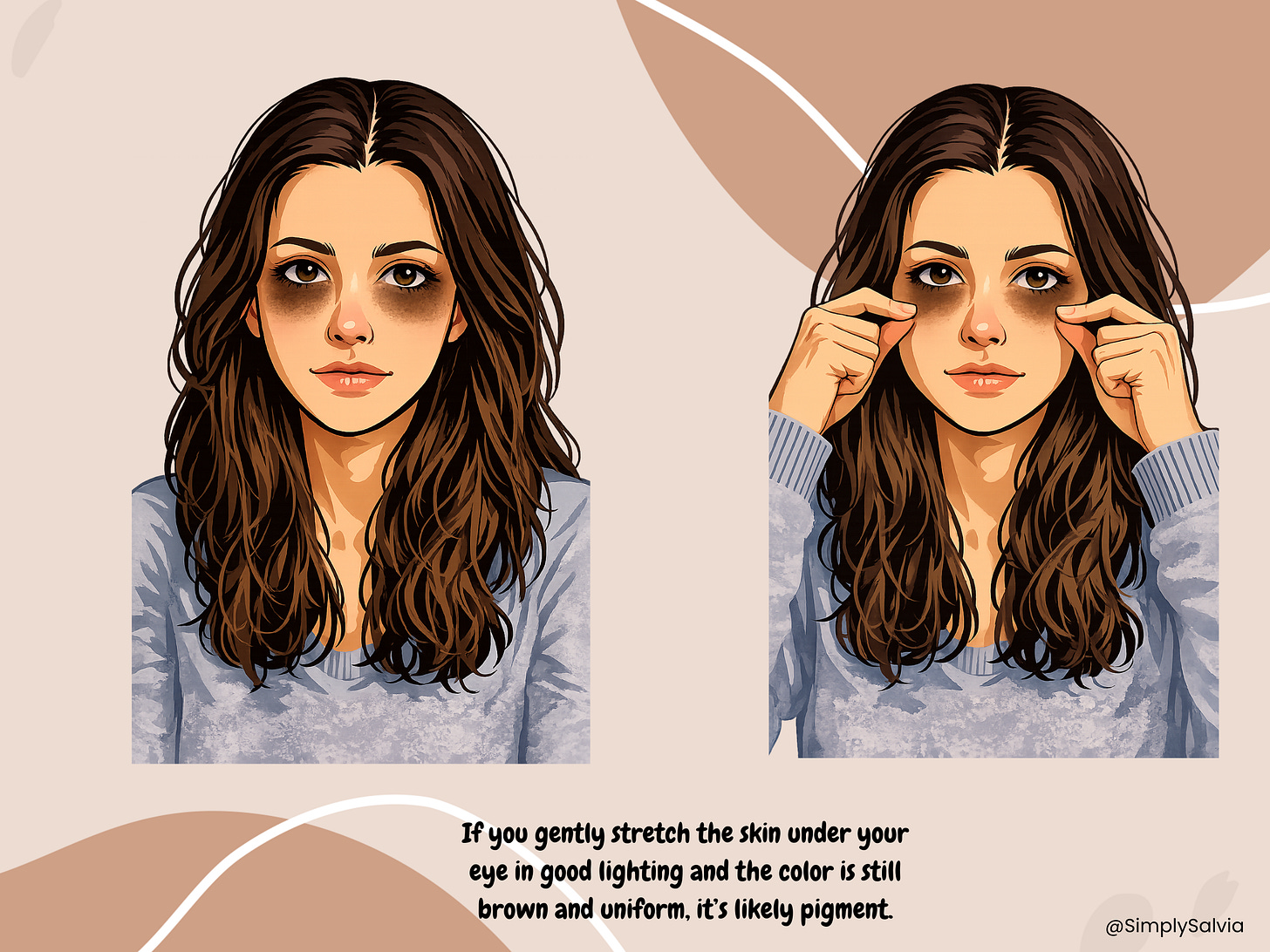
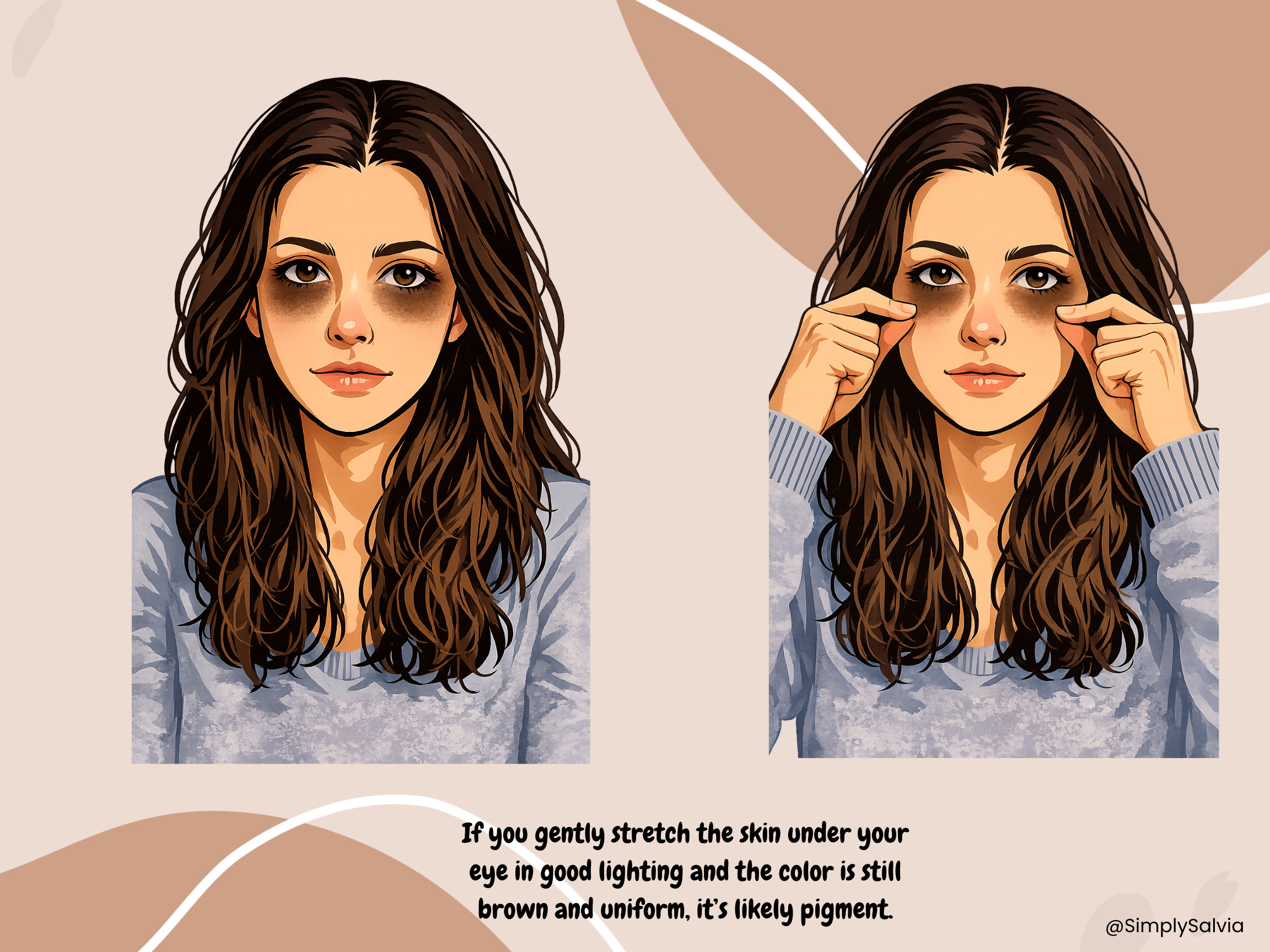
Pigmented Dark Circles (Brownish). These are caused by actual pigment in the skin. They appear as a brown or even gray-brown color under the eyes. You’ll notice the area itself has darker skin tone than the rest of your face. Common in people with darker skin tones, pigmented circles result from excess melanin. Causes include genetics, chronic sun exposure, hormonal changes (e.g. pregnancy or birth control melasma), and post-inflammatory hyperpigmentation (from eczema, allergic irritation, or even years of rubbing). If you gently stretch the skin under your eye in good lighting and the color is still brown and uniform, it’s likely pigment. Under a Wood’s lamp (UV light used by dermatologists), pigmented circles often become more apparent if the pigment is in the epidermis. Natural remedies aimed at lightening (like vitamin C, licorice, turmeric, etc.) can help these, as can sun protection to prevent them from deepening.
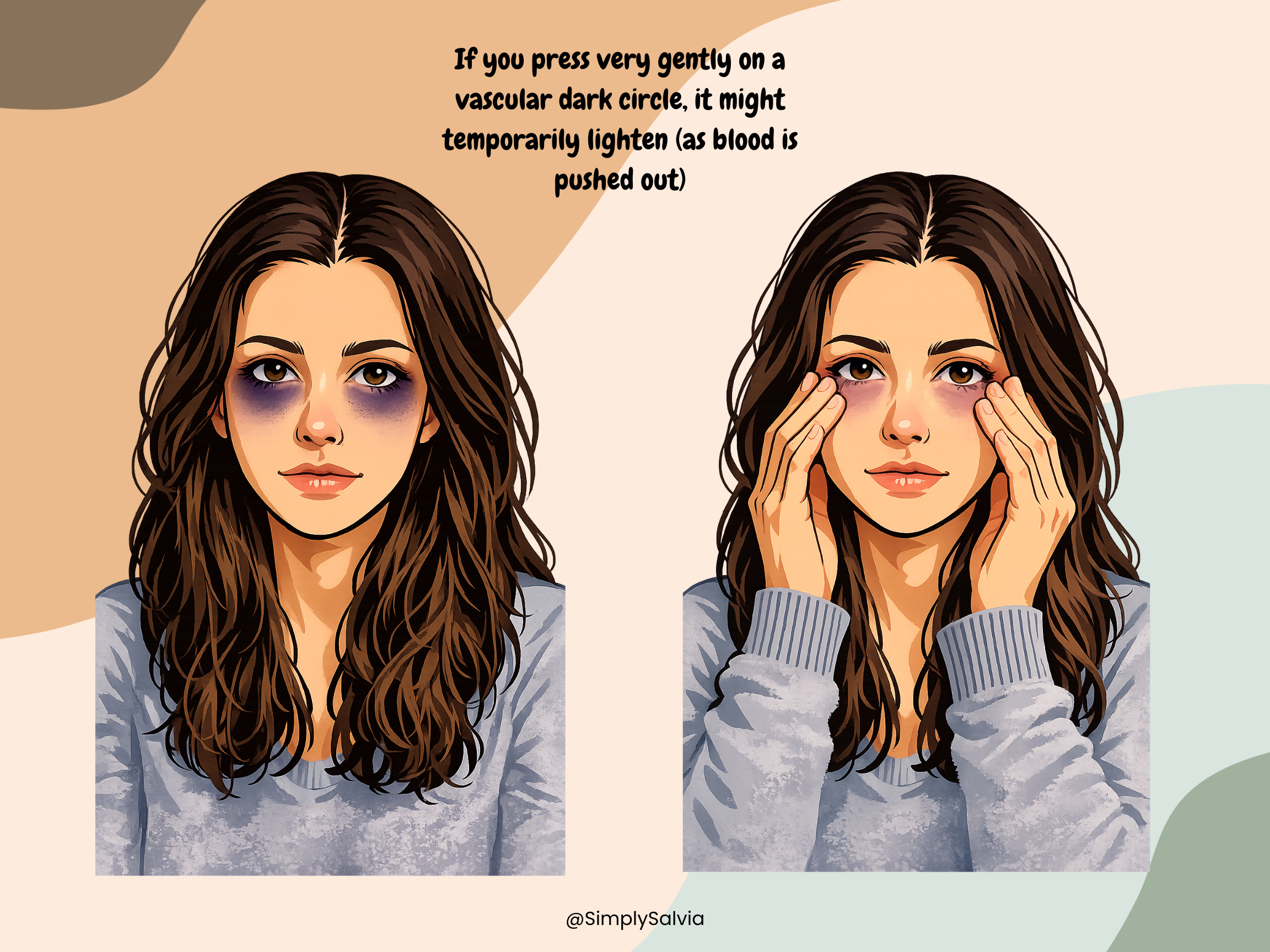
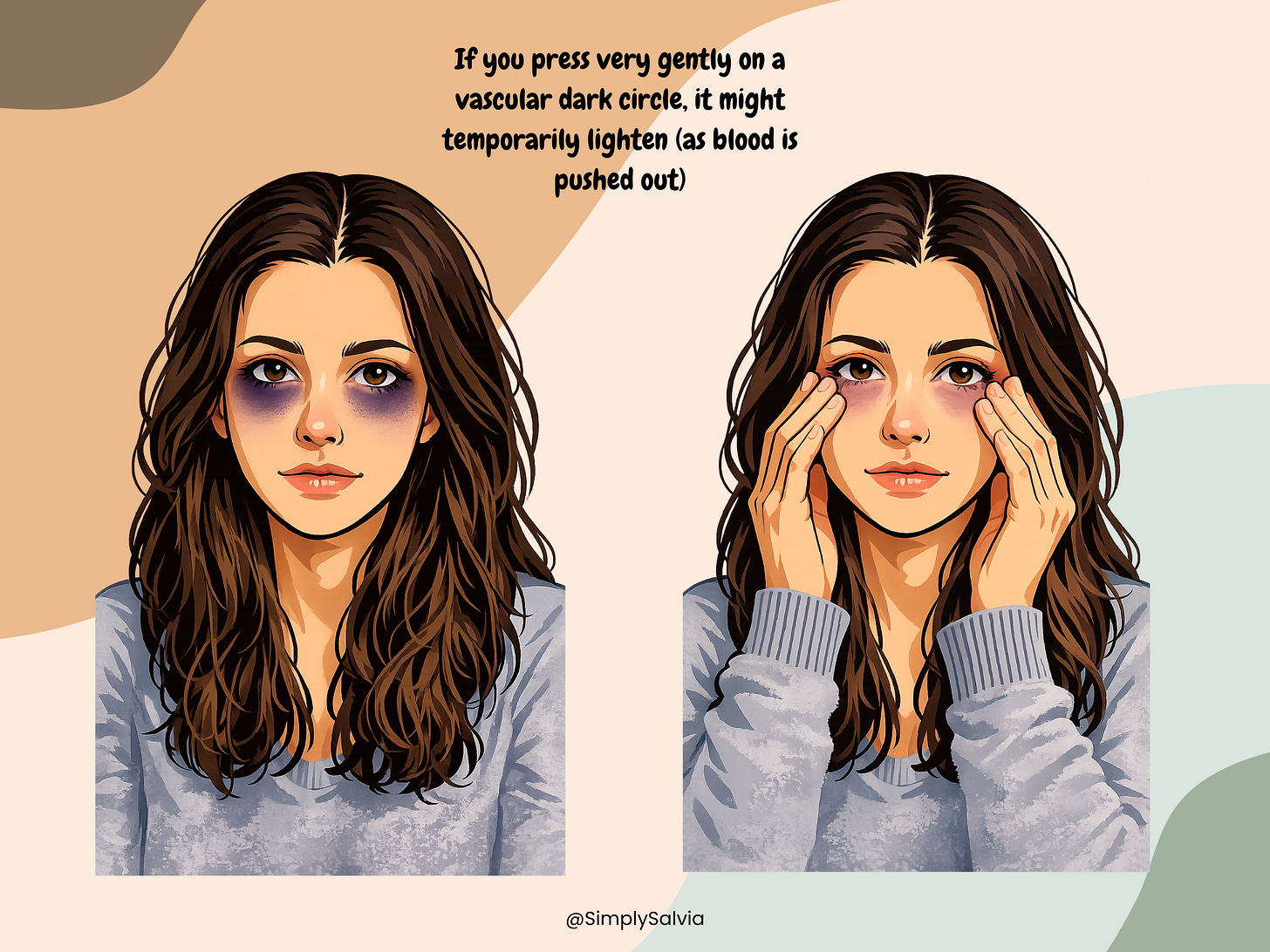
Vascular Dark Circles (Blue/Purple). These circles have a blue, purple, or even pink hue, and often the color may look worse in certain lighting or after certain activities (like after crying or upon waking). They are due to blood vessels and blood under the skin. Because under-eye skin is so thin, the deoxygenated blood (which is bluish) in the veins can show through. If you press very gently on a vascular dark circle, it might temporarily lighten (as blood is pushed out) don’t do this too hard though! Vascular circles can also become more noticeable during menstruation or if you’re lying down (more blood pooling). People with allergies often have vascular circles. If your circles improve significantly with cold compresses or worsen after a salty meal (both affecting blood vessels), the vascular component is likely. These are the ones that respond well to things like cold tea bags or caffeine eye creams (which constrict blood vessels). When the lower eyelid skin is stretched, a purely vascular circle might spread out and look lighter (whereas a pigmented one remains the same color).
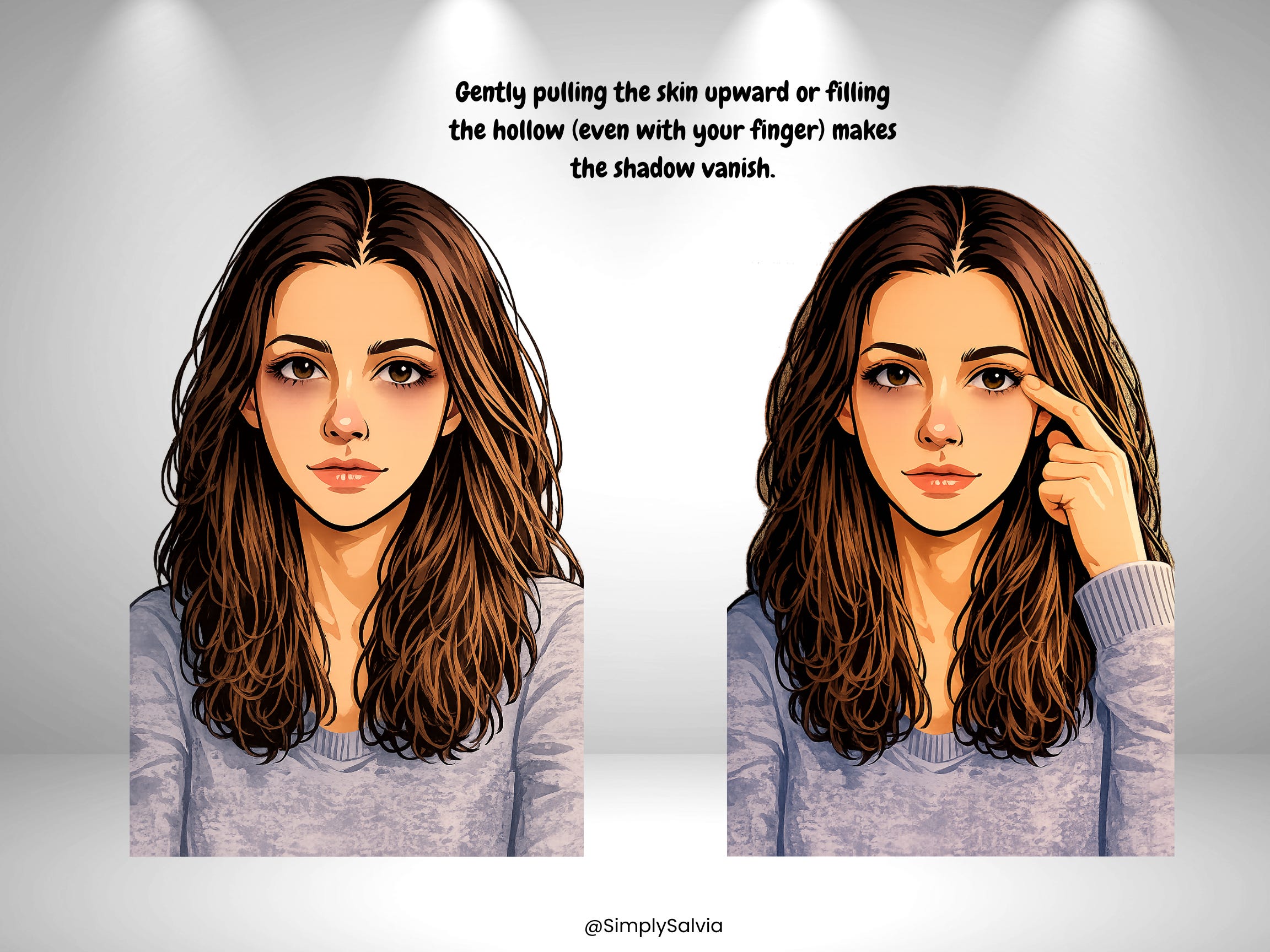
Structural Dark Circles (Shadow-based). Here, the dark “circle” is not from color in the skin at all, but from a shadow. This happens due to the contour of your face. The classic example is a deep tear trough or hollowness under the eye – the inward depression causes a shadow under the lower eyelid, giving the illusion of a dark half-circle. Another example is eye bags that create a shadow beneath them (the bulge of a bag can cast darkness below it). Structural circles are usually worse on one side or at certain angles of lighting. If you tilt your head or change the light and the darkness disappears or moves, that’s a clue it’s a shadow. Another test: gently pulling the skin upward or filling the hollow (even with your finger) makes the shadow vanish. In young people, structural circles can be due to genetics (deep-set eyes). In older folks, it’s often due to volume loss, atrophy of fat and thinning skin with age leads to that sunken look. Treatments here aim to change the contour e.g., filler injections to plump the hollow, or simply using creams that plump/hydrate can give a temporary improvement. In makeup terms, this is where a concealer (which literally “conceals” the shadow by reflecting light) helps a lot.

Mixed Dark Circles. Many people have more than one factor at play and that’s termed “mixed type.” In fact, a clinical analysis by dermatologists classified dark circles into pigmented, vascular, structural, and mixed; the mixed was further sub-typed because you can have combinations (like pigment + vascular, or pigment + structural, etc.). For example, you might have a bit of brown pigment and also some hollowing, causing a brownish shadow. Or allergies could give you both bluish veins and some rubbing-induced brown pigmentation – a common scenario. If that’s the case, you’ll want a multi-pronged approach (lightening agents for the pigment, and cold compress or decongesting massage for the vascular part, etc.). The key takeaway is to examine your under-eyes in different conditions to understand what mix you have. Mixed circles are very common, so don’t worry if you can’t pigeonhole yours into just one category just note the components (color vs. shadow) present.
Types of Puffy Eyes:
Transient Morning Puffiness: Many of us have woken up with pillow crease lines and puffy eyes that improve within an hour or two. Morning puffiness is due to fluid pooling overnight when we’re lying flat. It tends to affect the upper and lower lids. If your eyes are only puffy in the morning and flatten out by mid-day, this is likely your issue. Eating a salty dinner or not sleeping well can intensify it. This type of puffiness is usually bilateral (both eyes) and symmetrical. It’s often accompanied by general facial puffiness. Simple measures like a cold washcloth on the eyes, a cup of coffee (as caffeine is a diuretic), or just staying upright for a while will help gravity drain the fluid. Morning puffiness is considered normal unless it’s very severe. However, persistent extreme morning swelling could hint at kidney problems as noted in Chapter 3 but if you’re healthy and it resolves quickly, it’s typically just post-sleep fluid retention. Keeping your head slightly elevated at night (extra pillow) can reduce this.
Allergy-Related Swelling: For some, puffy eyes come and go with allergy flares. If you notice your eyelids and under-eyes get puffier during allergy season, after exposure to cats/dogs, or when you have a sinus infection, it’s likely histamine-driven swelling. Allergic puffy eyes might also be red or itchy, and you might have tearing. Rubbing them (common with itchy allergy eyes) then makes it worse by adding mechanical swelling and even a bit of trauma. People with chronic eczema around the eyes (atopic dermatitis) can have almost constant mild puffiness and a crepey look to the skin there, due to ongoing low-level inflammation. Treating the allergy – antihistamine meds, nasal sprays, or allergy eye drops often helps a lot. There are also natural antihistamines like quercetin and stinging nettle that some use (more on that later). A cool saline eyewash or cold chamomile tea bag compress can soothe allergic swelling naturally.
Fat Pad “Bags” (Chronic Under-Eye Bags): This type of puffiness is more or less permanent. If you have bulging under-eye bags even after a great night’s sleep and clean diet, you might have a prominence of the orbital fat pads. These pads normally sit behind the eye, but can protrude forward. Unlike fluid, fat doesn’t just drain away during the day. Bag-type puffiness can actually look worse when you’re not swollen elsewhere (because when the face is a bit puffy, the bags blend in more, but when your face is tight, the bags stick out). You can distinguish fat pads from fluid: fat pad bags are usually firm to the touch and have a defined shape; fluid edema is softer and more diffuse. Also, fat pads won’t fluctuate as much day to day, whereas fluid will. People with fat pad bags often also have a dark shadow under the bag (a double whammy of structural circle + bag). No topical cream can remove a fat pad, often, these are addressed by cosmetic procedures (like lower blepharoplasty surgery or laser treatments). However, you can reduce any additional swelling on top of them with lifestyle changes. And some eye creams with caffeine or tightening effects can temporarily make the bulge look a bit flatter by tightening skin. It’s just good to know if most of your issue is a true fat bag, so you set realistic expectations.
Lifestyle/Inflammatory Swelling: This is a catch-all for puffiness caused by things like lack of sleep, excessive alcohol, high-salt meals, crying, or general inflammation in the body. It’s not exactly “morning puffiness” because it can happen any time (for instance, your eyes might puff up in the evening after a stressful, salty day). I separate it because it’s not due to allergies per se, and it’s not permanent fat, it’s lifestyle-driven fluid retention or inflammation. For example, after a night of cocktails and poor sleep, you might see red, puffy eyes as the blood vessels are dilated from alcohol and you’re retaining water, plus you didn’t get the restorative sleep that would normally clear out fluids. Another example: if you’ve been crying or under emotional stress, the increased blood flow and tear production can inflame the eye area, leading to swelling that might last hours. Even overuse of certain eye creams or cosmetic products can cause puffiness, as discussed, heavy creams can trap moisture in the skin or cause mild irritation resulting in swelling. Environmental irritants like smoke or high pollution can also irritate eyes and cause minor swelling. This category of puffiness is generally temporary and correlates with the trigger (you’ll notice the pattern: “Every time I eat ramen at midnight, I’m puffy” or “whenever I binge-watch Netflix till 3am, hello eye bags”). The remedy is removing or reducing the triggers (better sleep, moderate salt, etc.) and using soothing measures (cool compresses, hydration) to bring the swelling down.
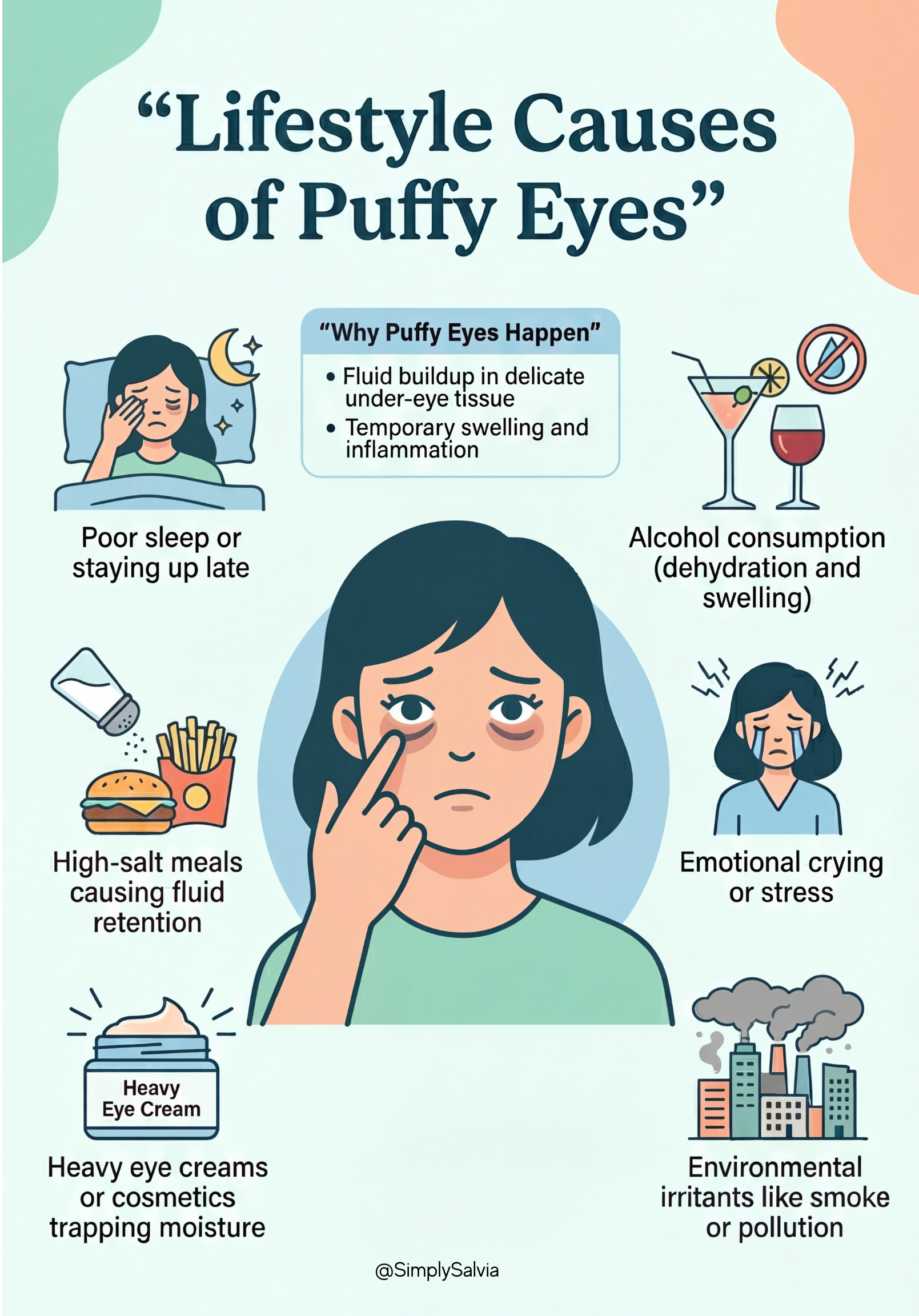
By identifying what type of dark circle or puffiness you have, you can tailor the remedies. Often, people have a combination e.g. a bit of pigment and a bit of hollow for circles (mixed type), or some mild fat bags that get worse with fluid retention (so both chronic and lifestyle). Don’t worry if it’s not clear-cut; you can try a variety of approaches. In the next chapters, I’ll focus on things you can do in daily life to prevent making these under-eye issues worse (Chapter 5) and then how to actively improve them through lifestyle (Chapter 6) and natural remedies (Chapter 7).
Chapter 5: What Makes It Worse? Daily Triggers
Ever notice some days your eyes look fine, and other days you resemble a panda? Day to day habits can cause noticeable swings in under-eye appearance. Let’s talk about common daily triggers that can worsen dark circles and puffiness:
Poor Sleep or Irregular Sleep Schedule
It’s no surprise that lack of sleep is enemy number one for your eyes. Not getting your 7–9 hours of restorative sleep can cause the skin to look pale and dull, which makes blood vessels under the eyes show up more (hence darker circles). Sleep deprivation also tends to cause fluid retention (ever notice your whole face can look a bit swollen after an all-nighter?). Moreover, if your circadian rhythm is off – say you’re sleeping in short naps at odd hours, your body’s repair processes and fluid balance get thrown off. Inconsistent sleep or frequent late nights can chronically stress the body, leading to high cortisol that breaks down skin collagen and exacerbates under-eye hollows and discoloration. Essentially, skimping on sleep is a fast-track to both dark and puffy eyes. Maintaining a regular sleep schedule and practicing good “sleep hygiene” (like limiting screens before bed as blue light at night can suppress melatonin and impair sleep) will do wonders for your eye area.
Digital Eye Strain and Screen Overuse
Staring at screens all day – computer, phone, etc. can make your eyes fatigued and dry. When your eyes are strained, you might squint or rub them more, contributing to under-eye woes. Prolonged screen time, especially late at night, also disrupts sleep as mentioned. Additionally, the high-energy visible (HEV) light from screens might cause subtle skin changes over time (some research suggests it can contribute to hyperpigmentation in susceptible individuals). But the bigger issue is eye fatigue: red, tired eyes can lead to unconscious rubbing and inflammation around the eyes. Ever noticed how people look after hours of gaming or working late at a computer? Often a bit sunken with darker circles. To mitigate this, follow the 20-20-20 rule (every 20 minutes, look at something 20 feet away for 20 seconds) to rest your eyes, use lubricating eye drops if needed, and consider blue light filters especially in the evening. Giving your eyes periodic breaks can reduce the urge to rub them and keep the surrounding skin healthier.
High-Sodium or Sugary Diet
What you eat definitely reflects on your face. A salty diet (think processed foods, chips, deli meats, restaurant meals with lots of salt) causes your body to retain water. The thin-skinned under-eye area is one of the first places to swell from water retention. So if you wake up puffy, think about last night’s dinner – was it Chinese takeout or pepperoni pizza? Those can do it. Meanwhile, a sugar-heavy diet contributes to systemic inflammation and a process called glycation, where sugar molecules bind to collagen, making it stiff and prone to damage. Over time, this can accelerate skin aging and thinning potentially worsening dark circles (due to less structural support under the eyes) and also making the area look more hollow or wrinkled. Sugar spikes can also mess with energy and stress hormones, indirectly affecting sleep and stress levels (again looping back to eye appearance). To avoid these effects: keep hydrated, moderate your salt intake (especially at dinner as your body has less time before sleep to process it), and favor complex carbs and fruits over refined sugars. And if you do indulge, no biggie but maybe do an extra eye-soothing treatment or drink more water to balance out.
Alcohol, Caffeine, and Dehydration
I’ve touched on alcohol, it causes vasodilation (widening of blood vessels) and makes the under-eyes look red or dark, plus it dehydrates you leading to puffiness from water retention and overall dull skin.
Caffeine is a double-edged sword: a bit in the morning can reduce puffiness (by acting as a diuretic and constricting vessels), but too much caffeine, especially later in the day, can disrupt sleep and dehydrate you. Also, some people are sensitive to caffeine and get twitchy eyes or eyelid spasms when over-caffeinated, while not directly causing dark circles, it’s a sign your eyes are strained.
Dehydration in general whether from not drinking enough water, or from lots of coffee/alcohol (which make you lose water) will make your eyes look sunken and the skin under them more shadowy. The body then tries to hold onto fluid, causing puffiness especially if you rehydrate rapidly (water goes back into tissues). The key is balance: drink plenty of water throughout the day. Limit heavy alcohol sessions and for each cocktail have a glass of water. With caffeine, moderate your intake and cut it off by early afternoon so it doesn’t mess with your sleep. Well-hydrated skin is plumper and shows less fine lines and darkness.
Overuse or Misuse of Skincare Products
Ironically, in the quest to fix their under-eyes, some people make them worse. Heavy, rich eye creams applied in excess can cause morning puffiness, the occlusive ingredients can draw or lock in moisture in the thin under-eye skin, leading to swelling by morning. Some eye creams also have ingredients that might irritate the skin (like fragrance, or even potent anti-aging ingredients like retinol if not tolerated well), causing redness or rubbing (thus more pigmentation). Applying creams too close to the lash line is another common mistake, the body heat can make the product “travel” into the eye, potentially irritating it and causing fluid to accumulate (think of how your eyes water when they’re irritated that fluid can puff things up). Also, using topical steroid creams (sometimes prescribed for eczema) for too long around the eyes can thin the skin and worsen dark circles. The lesson is: use gentle, targeted products and don’t slather a thick layer unless your skin really needs that richness. A pea-sized amount of eye cream is usually enough; tap it in lightly with your ring finger (which applies least pressure) and avoid rubbing. If you wake up consistently puffy and you’re using a heavy eye balm, try switching to a lighter gel or using it only in the morning instead of at night. And always remove makeup gently as harsh rubbing to take off mascara can contribute to under-eye trauma.
Environmental Irritants (Pollution, Smoke, Allergens)
City pollution and cigarette smoke expose your skin to free radicals that can weaken collagen and irritate eyes (ever had a day in traffic and your eyes feel gritty and look tired?). Smoke also directly causes eye irritation and inflammation, leading to redness and rubbing. Over time, chronic exposure to polluted air might increase pigmentation around the eyes (some studies suggest pollution can trigger melasma and other hyperpigmentation). If you live in a high-smog area, consider cleansing your face thoroughly at night to remove particulate matter, and maybe use an antioxidant serum (like vitamin C) to combat oxidative stress on the skin. Allergens in your environment like dust or mold can cause subtle, chronic eye irritation even if you don’t have full-blown allergies. This leads to that habit of touching or rubbing your eyes and slight swelling. Keeping your bedding clean (dust mite covers, washing pillowcases often) and using an air purifier if needed can reduce these irritants. And of course, if you’re a smoker, know that smoking not only irritates eyes but also accelerates skin aging (leading to wrinkles and thinning skin that make dark circles worse). Quitting smoking can significantly improve the blood flow and quality of your facial skin in a matter of weeks, not to mention the general health benefits.
In short, our daily choices have a visible impact on our eyes. The good news is that small changes can prevent these day to day exacerbations. Regular sleep, a balanced diet low in excessive salt/sugar, moderation in alcohol/caffeine, gentle skincare, and a clean environment will all set the stage for brighter, less puffy eyes. In the next chapter, I’ll build on these ideas and outline proactive lifestyle and nutrition strategies to improve and even help reverse dark circles and puffiness over time.
Chapter 6: Lifestyle & Nutritional Strategies for Clearer Eyes
Improving dark circles and puffy eyes isn’t just about what cream you pat on at night, it’s truly an inside-out job. By adjusting certain habits and nourishing your body, you can see a noticeable difference in your under-eye area. Let’s break the strategies into lifestyle habits, nutritional support, and supplements that specifically target the causes I’ve discussed.
Lifestyle Habits
Prioritize Quality Sleep (7–9 hours)
There’s no way around it, getting enough restful sleep is one of the most effective (and cheapest!) ways to reduce under-eye issues. When you sleep, your body repairs tissues, drains excess fluids, and resets your stress hormones. Aim for 7–9 hours of sleep per night, and try to keep a consistent sleep schedule. If you struggle with sleep, work on sleep hygiene: dim the lights in the evening, avoid screens for at least 30 minutes before bed (blue light interferes with melatonin), maybe take a warm bath or practice relaxation techniques. Adequate sleep alone can lighten up “sleep-deprivation” dark circles and reduce that morning swelling. Many people find that once they start sleeping an extra hour or improving sleep quality, friends ask if they changed something because they look more refreshed around the eyes. It’s that powerful.
Optimize Your Sleep Position
How you sleep can influence morning puffiness. If you often wake up with bags, try sleeping on your back with your head slightly elevated on an extra pillow. Elevation helps prevent fluid from pooling around your eyes overnight. Gravity will work in your favor to drain some of that fluid. If you’re a side or stomach sleeper, you might be literally pressing your face into the pillow, causing fluid and blood to accumulate under one eye (ever notice one side can be puffier?). Consider a wedge pillow or even propping up the head of your bed a couple of inches. Also, try to use a silk or satin pillowcase as it’s gentler on the facial skin and won’t tug as much (less chance of creases or irritation around the eyes). A small change like pillow height can make a big difference for those prone to edema.
Stress Reduction Techniques
We can’t eliminate stress, but we can change how we respond to it. Chronic stress keeps cortisol levels high, which not only can worsen fluid retention and pigment, but also ages the skin. Incorporate stress reduction practices into your routine to help both mind and skin. This could be meditation, deep breathing exercises, tai chi, or even daily walks in nature whatever calms you. These practices lower cortisol levels; for instance, meditation and breathwork have been shown to shift the body into a relaxed state conducive to healing. Lower cortisol means your body has a chance to repair collagen and regulate fluids normally. In fact, studies on adaptogens (which I’ll cover in supplements) show that reducing cortisol correlates with improved skin appearance because the body isn’t in constant “fight or flight” mode. Anecdotally, many people notice their eyes look brighter and less sunken during periods of vacation or after adopting a regular relaxation habit. It’s not just in your head, it’s in your face too!
Screen Hygiene and Eye Rest
In this digital age, completely avoiding screens is impossible, but you can use them smarter. First, take regular breaks as mentioned: every 20 minutes, look far away (this reduces eye muscle strain). Blink often to keep eyes moist. Consider using blue-light blocking glasses or software, especially in the evening, to minimize the sleep-disruptive effects of screens. Adjust your display settings, a warmer, dimmer screen at night (many devices have “night mode”) can help. Set a cutoff time for intense screen work at night if you can e.g., no emails after 9pm. If you work long hours on a computer, try to also incorporate some eye exercises: roll your eyes gently in circles, focus on a near object then a far object to flex your focus. These little steps reduce fatigue that can lead to rubbing or squinting. And as a bonus, reducing nightly screen time might help you wind down and sleep better, amplifying the benefits for your eyes.
Gentle Handling of the Eye Area
This isn’t exactly a “habit” like the others, but it’s a lifestyle practice: treat the skin around your eyes like antique lace. When you wash your face, use mild cleansers that won’t sting your eyes so you’re not tempted to rub hard. Pat (don’t rub) your face dry with a soft towel. When applying eye creams or any products near the eyes, use your ring finger to tap lightly as it naturally has a soft touch. Avoid rubbing your eyes, even when you’re tired; instead, try a cool eye mask or chilled teaspoon on the eyes for a few seconds if they feel tired this can refresh without rubbing. If you have itchy eyes from allergies, address the allergy (with drops or antihistamines) rather than scratching. The less mechanical trauma you inflict on that area daily, the better its texture, color, and firmness will remain over time. This gentle handling helps prevent both the pigment from chronic rubbing and the fluid from constant irritation.
Nutritional Support
Iron-Rich Foods
Since iron deficiency can play a role in dark circles, ensure your diet has enough iron (and protein, which goes hand in hand). Great iron-rich foods include leafy greens (spinach, kale), legumes (lentils, chickpeas), lean red meat (if you eat meat), tofu, pumpkin seeds, and quinoa, to name a few. Pairing iron-rich foods with vitamin C sources in the same meal helps absorption (e.g., squeeze lemon over spinach, or have bell peppers with beans). For example, a spinach salad with strawberries or a lentil curry with some tomato and lemon juice in it – these combos boost iron uptake. If you suspect you’re low in iron (especially common for menstruating women or vegetarians), consider getting your levels checked; sometimes a supplement might be needed. But food is a great, gentle way to maintain iron stores. As your iron status improves, you may notice you look less ashen and those veins under your eyes are less prominent.
Vitamin K and C
Vitamin K is known for its role in blood clotting, but in the topical skincare world, vitamin K creams are sometimes used for dark circles (especially after procedures to reduce bruising). While the evidence is mixed, having enough vitamin K in your diet might support healthy circulation. Dark leafy greens like kale, collard greens, spinach, and broccoli are loaded with vitamin K (and also vitamin C and iron!). So, a green smoothie or a big daily salad could be an under-eye ally. Vitamin C, on the other hand, is crucial for making collagen, the scaffold that keeps under-eye skin thick and resilient. It’s also an antioxidant that can help prevent damage from UV or pollution that might lead to pigmentation. Get vitamin C from citrus fruits, bell peppers, berries, kiwi, tomatoes, etc. A simple goal: try to have at least 2 servings of fruit and 3 servings of vegetables each day, and include something green daily. An example eye-friendly day of eating:
Your whole body will thank you, not just your eyes!
Stay Hydrated
I’ve said dehydration can worsen puffiness and darkness, so make hydration a habit. Aim to drink water consistently throughout the day about 8 glasses (2 liters) is a general guideline, but listen to your thirst and remember you get water from foods too. Water-rich fruits and veggies are a fantastic way to hydrate and nourish simultaneously. Cucumbers (no coincidence people put cucumber slices on eyes!), watermelon, oranges, grapes, celery, and lettuce are all high in water. They also come with electrolytes that help balance fluids. Perhaps have a piece of fruit in the morning and a hydrating salad at lunch. If you’re bored with plain water, try herbal teas (which I’ll detail in Chapter 7) or infused water with a slice of lemon/cucumber. Proper hydration plumps up the skin cells and can reduce the sunken look of eyes, and it helps flush excess salt to avoid edema. Just avoid guzzling huge amounts right before bed to prevent overnight pooling. It’s better to hydrate more in the daytime and taper in the evening.
Cut Down Inflammatory Foods
I touched on sugar and salt, here the emphasis is consistent healthy choices. You don’t have to (and shouldn’t) cut out salt entirely it’s an essential mineral but be mindful of processed foods which are usually the biggest sources of sodium. Cook at home when you can, using herbs, spices, citrus, and only moderate salt for flavor. This can dramatically reduce average sodium intake and your tendency to retain water. For sugar, try satisfying your sweet tooth with fruit or dark chocolate (in moderation) instead of candies, cakes, and sugary drinks on a daily basis. Also watch out for high-glycemic refined carbs; for instance, swap white bread for whole grain, and sugary cereals for whole oats, to avoid those blood sugar spikes. Some people also find that reducing dairy or gluten helps if they have slight intolerances, as those can cause inflammation or puffiness for certain individuals, this is very individual though. Generally, an anti-inflammatory diet – rich in omega-3 fats (found in fish, flaxseeds, walnuts), antioxidants (berries, greens), and low in processed junk will support your skin and the delicate capillaries under your eyes. It’s the same kind of diet that’s good for your heart and overall health. When your body’s inflammation is low, you’re less likely to have swollen eyelids or reactive hyperpigmentation. You might even notice that after a stretch of very clean eating, you just look more rested, even before you’ve changed anything else.
Supplements to Consider (Always check with a healthcare provider before starting supplements, especially if you have health conditions or take medications.)
Iron (if Deficient)
If blood tests confirm you’re low in iron or anemic and diet alone isn’t bringing it up, an iron supplement can be helpful. Resolving anemia can significantly improve dark circles in those cases. Iron supplements come in different forms (ferrous sulfate, gluconate, etc.) some can cause constipation, so taking with vitamin C or using gentler formulations might be advised. Do this under medical guidance because too much iron can be harmful. But for someone truly deficient, a few months of iron pills can brighten their complexion and energy levels which likely will lighten under-eye darkness stemming from anemia.
Vitamin C and B-Complex
A daily Vitamin C supplement (e.g., 500 mg) can support collagen production and antioxidant defenses. Some studies suggest vitamin C can thicken the dermis (inner skin layer) when taken and thus help conceal dark circles. It also boosts your immune system (handy if allergies or sinus issues are a problem). B-complex vitamins, particularly B12, B6, and folate, are crucial for healthy blood and could help prevent anemia. B12 especially, if you’re vegetarian or have absorption issues, might need supplementation, low B12 can contribute to anemia and fatigue that show in your eyes. Also, some people report that taking a B-complex reduces that tired look possibly because B vitamins help with energy metabolism and stress reduction. B6 and magnesium in the evenings can help with sleep for some, indirectly benefiting the eyes. Ensure you’re not mega-dosing any B without reason; a balanced B-50 complex or a multivitamin is usually fine.
Collagen Peptides
Collagen supplements (usually derived from fish or bovine sources) have become popular for skin health. The idea is that ingesting the peptides can provide amino acids and trigger the body’s own collagen production. There is some evidence that oral collagen peptides improve skin elasticity, hydration, and reduce wrinkles after consistent use. While most studies don’t specifically target the under-eye area, anything that improves overall skin quality could help thicken and firm the under-eye skin a bit. Users often report slightly plumper skin and stronger nails/hair after 8–12 weeks of daily collagen. It’s no miracle, but it could be a supportive measure. At the very least, collagen peptides are a good protein source. If you want to try, look for a hydrolyzed collagen powder you can add to your smoothie or coffee. It’s generally safe, but as always, buy from reputable brands (some even add vitamin C or hyaluronic acid to their collagen blend for extra skin benefit).
Adaptogens for Stress
Adaptogenic herbs help the body adapt to stress and balance cortisol levels. Two stars are Ashwagandha and Rhodiola rosea. For instance, studies have shown ashwagandha supplementation (around 500–600 mg daily) can significantly reduce elevated cortisol and stress, improving sleep quality as well. Lower cortisol and better sleep = brighter eyes. Ashwagandha also has antioxidant effects. Rhodiola has evidence of reducing fatigue and even lowering the cortisol response in stressful situations. Someone who is always on high stress alert might benefit from these to break the cycle of fatigue and poor sleep that lead to dark, puffy eyes. Typically, ashwagandha is taken in the evening (since it can be calming), and rhodiola in the morning (since it can be a bit stimulating and great for combating morning fatigue). Other adaptogens like Holy Basil (Tulsi) or Reishi mushroom have stress-modulating and anti-inflammatory properties as well. While these herbs won’t directly “erase eye bags,” by improving your body’s stress response and equilibrium, they create conditions for your skin (and eyes) to recover. Always get them from quality sources and give it a few weeks to notice effects. If you’re under care for any condition (especially thyroid issues in the case of ashwagandha), clear it with your doctor.
Others (Targeted)
A few other supplements to mention: Hyaluronic Acid (HA) supplements are thought to improve skin hydration from within, some people take them for joint health but notice bouncier skin too, which could help plump the under-eyes a bit. Vitamin E (tocopherol) taken with other antioxidants can support skin healing and might help those with hyperpigmentation when paired with vitamin C (though high doses of vitamin E aren’t recommended without medical advice). Omega-3 fatty acids (fish oil or algae oil) can reduce inflammation and help with dry eyes (if your eyes are dry and irritated, you might rub them less if they’re well-lubricated). And if allergies are your bane, supplements like Quercetin (a flavonoid) and Stinging Nettle extract can act as natural antihistamines potentially easing allergy-related dark circles and puffiness. Always approach supplements as “bonus” helpers to an already good diet/lifestyle, not as the primary fix. But used wisely, they can give you an extra edge in your under-eye improvement plan.
By now, I’ve set a solid foundation: a healthier lifestyle and diet to minimize the factors that cause dark circles and puffiness. It’s like tending the soil so that your skin can flourish. In the next chapter, I’ll explore more direct natural remedies and skin-care supports basically, what you can apply or do externally (herbal teas, compresses, massages, etc.) to pamper your under-eyes and speed up the recovery of that area. Combined with the strategies from this chapter, you’ll be tackling the issue from both inside and out.
Chapter 7: Natural Remedies & Skin Support
Modern problems often have old-school solutions. Long before fancy eye creams, people used natural remedies to soothe puffy eyes and brighten tired skin. In this chapter, I’ll explore some gentle, at-home treatments and practices, from herbal teas that reduce water retention to DIY masks and massage techniques. These remedies can be a wonderful complement to the lifestyle changes you’ve made, and they are generally safe, inexpensive, and relaxing.
Herbal Teas for Detox & Circulation
Drinking certain herbal teas can help reduce puffiness by acting as mild diuretics (flushing excess fluid) and lowering inflammation. Plus, using cooled tea bags on your eyes is a time-honored trick for quick relief.
Dandelion Root Tea: Dandelion is often touted as a liver-supportive and diuretic herb. In fact, studies show dandelion tea increases urine output, which can help reduce water retention. If you’re feeling bloated (including around the eyes), a cup of dandelion root tea might gently help your body release that excess fluid. It’s somewhat earthy-bitter in taste, so add a bit of honey or lemon if you like.
Bonus: by supporting your liver, dandelion may aid in overall detox. Some naturopaths suggest that better liver function can improve dark circles (in traditional medicine, dark circles are sometimes linked to “sluggish liver”). At the very least, it’s a caffeine-free coffee alternative that might de-puff you. Avoid it if you have gallbladder issues or are on certain medications, and don’t drink huge quantities as it is a diuretic.
Stinging Nettle Leaf Tea: Nettle is like nature’s antihistamine. It’s rich in minerals (iron, silica) and has a mild diuretic effect too. There’s some evidence that nettle can reduce allergy symptoms by inhibiting histamine receptors. If your puffiness or circles are related to allergies, drinking nettle tea during allergy season might lessen your stuffiness and those “allergic shiners.” Nettle tea has a grassy, green flavor, similar to mild spinach. It’s nice with a squeeze of lemon. Because nettle is nutrient-dense, it also supports overall health.
Fun fact: it contains iron and vitamin C, so it’s a blood-building tonic in herbal medicine and can potentially help with anemia-related dark circles too. Just ensure you’re using dried nettle from a trusted source (don’t brew stinging nettles from your yard unless you know what you’re doing!).
Chamomile Tea: We usually think of chamomile for calming nerves, but it’s also great for the eyes. Chamomile has anti-inflammatory and soothing properties. Sipping chamomile in the evening can reduce stress (improving sleep) and also calm any irritation. More directly, you can use chilled chamomile tea bags as an eye compress. After brewing a cup, save the bags, let them cool in the fridge, then lie down and place them over closed eyes for 10 minutes. The combination of cool temperature and chamomile’s compounds can significantly reduce swelling and redness. Chamomile tea compresses are even traditionally used for conjunctivitis and irritated eyes. According to herbal lore (and some product formulations), chamomile can help lighten skin discoloration over time as well. Chamomile’s decongestant effect helps drain excess fluid around the eyes. If you’re allergic to ragweed though, be cautious with chamomile (they’re in the same family; it can trigger allergies in some).
Green Tea (or Black Tea): I’ve touched on using tea bags topically, but drinking green tea is beneficial too. Green and black tea (which is just a more oxidized version of the same tea leaves) contain caffeine and antioxidants. The caffeine in tea, when consumed, can modestly improve circulation and also has an anti-edema effect. But more effectively, using cold, damp green or black tea bags on the eyes is a quick fix for puffiness. The caffeine will constrict blood vessels and tighten skin, while the tannins may help pull fluids out. Cleveland Clinic notes that tea bags increase circulation when applied to the area, and dermatologists often cite that the caffeine helps draw out excess fluid and reduce swelling. Keep a couple used tea bags in a clean container in your fridge – in the morning, pop them on your eyes for 5 minutes and you’ll look more awake. Green tea also has EGCG, a powerful antioxidant that might help with UV damage and skin repair if a bit is absorbed. Drinking green tea regularly provides those antioxidants from within, which can help skin health. If you’re sensitive to caffeine, opt for decaf green tea or limit to one cup in the morning. (Rooibos tea is another good caffeine-free option; it’s high in antioxidants and sometimes used in skincare for soothing.)
Topical Home Remedies
You don’t need expensive eye masks as your kitchen may already stock some effective ingredients for under-eye care. These DIY remedies are about cooling, calming, and gently rejuvenating the skin.
Cucumber & Green Tea Compress: This dynamic duo combines two classics. You can either use cucumber slices that you’ve soaked in cooled green tea, or apply grated cucumber mixed with a bit of green tea as a mask under the eyes. Cucumber is high in water content (about 95%) and vitamin C; placing cool cucumber slices on the eyes hydrates and cools the area, reducing swelling. Whereas green tea, brings caffeine and antioxidants to tighten and brighten. Together, they can reduce puffiness significantly. The cool temperature constricts blood vessels, the caffeine tightens, and the cucumber’s ascorbic acid (vitamin C) can help soothe skin. Even just straight chilled cucumber slices on the eyes for 10 minutes can reduce puffiness (and feels lovely). Many people swear by it and there’s a reason it’s the stereotypical spa image! For an extra hack: brew green tea, let it cool, dip two cotton pads or thin cucumber slices in it, then apply to eyes. You get the benefit of both. This is a great quick fix in the morning if you have time.
Chilled Chamomile Tea Bags: As mentioned above, once you brew chamomile tea, don’t toss those bags. Pop them in the fridge and then use them as soothing eye pads. Chamomile’s anti-inflammatory properties help calm redness and irritation. If your eyes are puffy from crying or allergies, chamomile tea bags can be a savior. They act like a natural eye decongestant, reducing fluid buildup. Some people even keep chamomile bags in the freezer (just for a short bit) for an extra-cooling effect, just make sure they’re not so hard that they could hurt; they should be pliable. Lay back, breathe deeply, maybe listen to relaxing music, and let the chamomile work its magic for 10 minutes. When you remove them, you’ll likely see a visible reduction in swelling and your eyes will feel refreshed. It’s a gentle remedy safe for most (again, watch out if you have ragweed allergy).
Aloe Vera + Vitamin E Gel: Aloe vera is a natural moisturizer and anti-inflammatory that can be very beneficial for delicate under-eye skin. It’s light, mostly water, with polysaccharides that help hydrate and calm the skin. You can take a pure aloe vera gel (straight from a plant or a store-bought 100% gel) and mix in a few drops of vitamin E oil. Vitamin E is an antioxidant that supports skin healing and regeneration, and it’s thought to help with hyperpigmentation and scarring over time. Gently patting this combo under the eyes at night can provide moisture and potentially lighten the area. Aloe vera has compounds (aloesin, etc.) that in studies have shown to reduce melanin production and lighten pigmentation. So it might gradually help fade brownish dark circles. Vitamin E will nourish the skin and might improve elasticity (it’s also in many eye creams). Be careful not to get either ingredient in your eye – keep it to the skin. Also, do a patch test because some people can be sensitive to vitamin E oil or even aloe. But most find this combo soothing. Keep the aloe gel in the fridge for an extra cooling effect.
Turmeric + Yogurt Brightening Mask: Turmeric isn’t just for curry – it’s a beauty secret from South Asia. It contains curcumin, a potent antioxidant and anti-inflammatory. A tiny pinch of turmeric mixed with a teaspoon of plain yogurt makes a great under-eye mask. Turmeric can lighten and brighten skin, traditionally, Indian brides use turmeric masks for glowing skin. It works somewhat like vitamin C, inhibiting an enzyme in melanin production, and improving circulation (giving a fresh glow). In terms of dark circles, turmeric’s circulation-boosting might reduce the pooled blood under eyes, and its skin-lightening could help with pigmentation. Yogurt contains lactic acid, a gentle exfoliant that can brighten skin and improve texture. It also has a cooling, hydrating effect. Together, they create a brightening, soothing mask that can reduce both coloration and puffiness (due to the cold yogurt constricting vessels slightly). As a lightening agent, turmeric minimizes dark circles by boosting circulation and lightening the skin.
Caution: turmeric can stain skin/clothes. Under the eyes, use just a little and don’t leave it on too long (5-7 minutes is enough). Rinse off thoroughly or you can use a cotton pad with milk to help remove any yellow tint (milk’s fat and lactic acid lift turmeric stains). Doing this a couple of times a week can impart a subtle brightness to the under-eye over time. (And yes, if you prefer, you can use kaffir lime or lemon juice a drop in there for extra vitamin C, but be very careful near eyes, yogurt and turmeric alone are safer.) After masking, always moisturize the area with a gentle cream or the aloe/E mix above, since any mask can be a bit drying if left too long.
Massage & Face Yoga
One big factor in puffiness is fluid not moving. By manually massaging and stimulating the muscles around your eyes, you can encourage lymphatic drainage and improve circulation. Plus, it feels relaxing, a win-win for stress reduction.
Gentle Lymphatic Eye Massage: Using your ring fingers, lightly tap in a circle around your eyes – start at the inner corner under the eye, tap outwards along the under-eye towards the temple, then circle up across the brow bone and back to the inner corner. Repeat this tapping motion for a minute or two. This helps move stagnant fluid towards the lymph nodes (which are located in the temple region and in front of the ears). Another technique: use very light pressure to sweep fluid. Place your ring finger at the inner corner of your under-eye (beside the nose) and gently slide it out toward the temple and then down to the ear. You can imagine you are pushing water out from under the skin – be very gentle to not tug the skin. Do a few sweeps on each side. This can reduce immediate puffiness. Dermatology experts often say that massage around the eye can improve circulation and help both puffiness and color to some extent. It’s also a nice self-care ritual to do when applying your eye serum (the product will help your finger glide). Just remember, gentle is key, the pressure should be just enough to slightly move the skin, not press the eyeball or cause any discomfort.
Gua Sha and Jade Rolling: These are tools that have gained popularity, but they actually come from ancient beauty practices. A jade roller is a small rolling pin-like tool (often jade or rose quartz) that you roll over your face. A gua sha tool is a flat smooth stone with curves that you scrape over the skin. Both are used to improve lymphatic drainage and blood flow. For under-eyes, a jade roller can be very effective especially if you keep it in the fridge so it’s cold. Gently roll from the inner under-eye to the outer toward the temple, and then down to the ear and neck. The rolling motion and cold help move fluid and constrict vessels. According to one dermatologist, using a gua sha stone with an upward and outward motion on the lower lid encourages lymphatic movement and can really help de-puff. The technique with gua sha: after applying a bit of facial oil or moisturizer for slip, very gently glide the gua sha tool from the inner under-eye area out to the temple, then sweep down to the collarbone (where major lymph ducts are) this drains fluid. Repeat a few times. Gua sha can also be used to very gently scrape above the brow and under the brow to relieve tension (it feels great if you have sinus pressure). Regular gua sha facial massage is said to improve overall circulation and give a “lifted” look to the face. It’s important to follow a tutorial to get the technique right as wrong movements or too much pressure can potentially bruise. But once you learn it, it’s like an at-home spa drainage massage. Even just 3-5 minutes in the morning can make your face less puffy and more contoured.
Acupressure Points Around Eyes: In traditional Chinese medicine and acupressure, there are specific points that can help with eye issues. You can try a simple acupressure routine:
Another useful point is at your temples; rub them in a circular motion; there are gallbladder meridian points there that relieve tension (and when you relax those muscles, blood flows better). Also, pressing gently on the bridge of your nose (the sides of the upper nose) can help if you have congestion. Acupressure can reduce that stagnation that leads to dark, puffy eyes by encouraging better energy and blood flow through the area. If nothing else, it feels nice and forces you to take a moment of pause. Some people combine this with a breathing exercise; inhale, press, exhale, release. It’s all interconnected: relax your nervous system, and your face often relaxes and de-puffs too.
These natural remedies and exercises provide a more holistic, nurturing approach to caring for your eyes. They’re not overnight miracles, but when done consistently, they can yield noticeable improvements and certainly prevent things from worsening. The best part is they are safe and relaxing – no harsh chemicals, no significant costs. It’s about taking time to care for yourself, which in itself reduces stress and can improve your overall appearance.
By now, I’ve covered a lot of ground: understanding the problem, fixing lifestyle factors, and applying natural treatments. The final chapter will discuss how to know when it’s time to seek professional or medical help.
Chapter 8: When to Seek Medical Help
I’ve emphasized natural, holistic approaches and for the majority, those will greatly help or even resolve under-eye concerns. However, sometimes dark circles or puffiness persist despite your best efforts. Or they might appear very suddenly. It’s important to know when to consult a healthcare professional or dermatologist. Here are some scenarios where medical advice is warranted:
Lifestyle Changes Aren’t Helping
You’ve consistently improved your sleep, diet, hydration, and tried natural remedies for a few months, and yet your under-eye circles or bags remain exactly the same. If you’ve truly ruled out the common causes, it might be time to see a doctor. There could be an underlying issue like anemia, a thyroid disorder, or other systemic condition that needs treatment. A doctor can do blood tests to check your blood count, iron levels, thyroid function, etc. If they find something (say low iron or an underactive thyroid), treating that condition can significantly improve your eyes. If all tests are normal, at least you know it’s likely just genetic or structural, and a dermatologist can advise on next steps (like retinol or laser for pigmentation or fillers for hollows, if you choose).
Sudden or Unilateral Changes
If you wake up one day with one eye dramatically swollen or a dark circle under one eye that wasn’t there before, get it checked. Sudden, one-sided puffiness could indicate an infection (like periorbital cellulitis, usually painful and red, needs antibiotics right away) or even a problem in the orbit. A blood clot in the sinus (rare) or thyroid eye disease often shows asymmetric or sudden eye changes but usually with other symptoms (pain, eye bulging, vision changes). Don’t panic as most likely it’s something minor like you accidentally slept on one side of your face or had a mild allergic reaction (a bug bite near one eye can cause one-sided swelling!). But it’s better to be safe; a doctor can quickly evaluate if something unusual is going on. Similarly, if dark pigmentation appears under one eye out of the blue, it could be due to rubbing that eye more or sun damage, but it’s worth having a derm look to ensure it’s not a pigmentation issue that needs special care.
Associated Symptoms
Pay attention if under-eye issues come with other symptoms: for example, chronic puffiness along with puffiness in your legs/feet and frequent urination could hint at kidney issues. Or dark circles plus fatigue, shortness of breath, and paleness points toward anemia. Eye bags plus red eyes and itchy nose likely allergies (you might need an allergist to help pinpoint and treat aggressively if OTC meds aren’t enough). Pigmented circles plus skin darkening elsewhere (like gums or skin creases) could be something like Addison’s disease (rare, but serious, adrenal insufficiency causes hyperpigmentation). Protruding fat pads with vision interference might actually be something like Graves’ disease (autoimmune hyperthyroid) or just really large fat herniation that might need surgical fix.
The bottom line: if you have systemic symptoms (beyond just the cosmetic) like significant fatigue, weight changes, etc., bring it up with a healthcare provider. Eye changes are often a minor part of a bigger picture, and treating that bigger issue will help the eyes too.
Suspicion of Allergies or Dermatitis
If you suspect your dark circles are actually “allergic shiners” or from eczema, seeing an allergist or dermatologist can get you relief. An allergist can help identify what you’re allergic to (dust mites? pollen? certain foods?) and get that under control, which will indirectly clear up your eyes. They might recommend antihistamines, nasal sprays, or even allergy shots. A dermatologist can check if you have allergic or irritant contact dermatitis around the eyes as sometimes people develop chronic dark, scaly under-eyes from an allergy to a cosmetic or eye drops. They can do a patch test to figure that out. If you have eczema (atopic dermatitis), a derm can give you targeted treatments to calm it without over-thinning that sensitive skin. Basically, if itchiness, redness, or rash accompanies your under-eye issues, professional guidance is very helpful.
Considering Advanced Treatments
Let’s say you’ve done everything natural and you still have genetic dark hollows or stubborn pigment or large bags and they bother you a lot. It’s completely fine to seek out a cosmetic dermatologist or oculoplastic surgeon to discuss more interventional treatments. Modern options include: Laser therapy (certain lasers can target pigment or even tighten skin to reduce shadowing), filler injections (to fill tear trough hollows so they don’t cast shadows, a quick procedure that can last 6-12 months), chemical peels (light peels can improve melanin-based dark circles), prescription creams (like hydroquinone for pigmentation or retinoids for collagen building, though these must be used carefully around eyes), or blepharoplasty surgery (to remove or reposition fat pads and excess skin which is a more permanent solution for heavy eye bags). There’s also newer treatments like PRP (platelet-rich plasma) injections which some docs use to improve under-eye texture/color by stimulating collagen. If you go this route, make sure you consult a board-certified professional experienced in the delicate eye area. They can honestly tell you what’s possible and what’s not, and ensure safety. For instance, filler under the eyes can work wonders for structural dark circles, but it needs a skilled hand to avoid issues. Sometimes, a combination approach (e.g., a bit of laser + a bit of filler + your good habits) yields the best result. Use medical interventions as you see fit – there’s no shame in it but doing the foundational steps I’ve covered will maximize and prolong any professional treatment’s results.
Trust your instincts
If you ever feel that your under-eye changes are more than cosmetic – say, they’re accompanied by pain, or you have swelling in the eyeball or eyelid itself (not just underneath), or changes in vision seek medical attention promptly. Conditions like infections, thyroid eye disease, or even a sinus issue can manifest around the eyes. However, in most everyday scenarios, dark circles and bags are not ominous signs. They’re usually a benign issue related to lifestyle, aging, or genetics. So don’t be too anxious, the body is often just signaling that it needs a bit more care.
Knowing when to seek help is part of taking control of your health. A doctor visit might reassure you that everything is fine internally, and that peace of mind can reduce stress (remember stress makes circles worse!). Or it might identify a treatable cause you hadn’t considered. Either way, you win.
Conclusion
By now, you’ve journeyed “beyond the shadows” gaining insight into why those dark circles and puffy eyes appear and how to gently coax them away. The key takeaway is holistic care: your body is sending signals (be it fatigue, stress, or nutritional needs) through the skin under your eyes. Instead of just covering them up, you’ve learned to listen and respond with healthy changes and natural remedies.
Dark circles and puffiness are not a life sentence. With consistent, kind habits, they can diminish. Remember, results won’t appear overnight just as the causes accumulate over time, the healing does too. But one morning, you’ll look in the mirror and realize you didn’t reach for concealer out of habit. Your eyes might look a little brighter, your face more rested. That’s the reward of addressing the root causes.
A few parting tips: be gentle and patient with yourself. If you have a late night and wake up with bags, don’t despair, just get back on track with rest and hydration. If your family genes blessed you with thinner under-eye skin, focus on what you can improve (like diet and topical care) and know that everyone has unique features and sometimes those “circles” add character and depth to a face! Stressing about your appearance can become a vicious cycle; instead, celebrate the improvements you make and acknowledge things like “hey, I’ve been sleeping better, and it’s showing.”
Also, consider making this a holistic beauty ritual. Taking care of your eyes can be a relaxing routine, maybe your evening chamomile tea and 5-minute eye massage becomes a beloved wind-down ritual. You deserve that little pocket of self-care each day, and it pays you back with a healthier mind and body (and prettier eyes as a bonus).
In essence, dark circles and puffiness are your body’s way of whispering that it needs balance – more sleep, less screen time, a bit of nourishment, a moment of calm. You now have a toolbox full of ways to restore that balance naturally. Embrace it as a long-term lifestyle, and not only will your eyes thank you, but your whole being will.
Your eyes reflect your inner health and emotions. By caring for both the inside and outside, you’re on the path to clearer, more vibrant eyes, the kind that shine with energy and confidence. Keep going; the journey to wellness (and bright eyes) is ongoing, but absolutely worth it.
Here’s to bright mornings and well-rested nights and seeing the world with eyes that truly reflect the radiant, healthy you.
Thank you for reading this short dive into the world of dark circles and puffy eyes. Hopefully, you’re walking away with both knowledge and practical steps to tackle the issue. Empowered with understanding, you can now face those under-eye shadows with confidence and patience. Here’s to brighter eyes and a healthier you!
References:
Cleveland Clinic – Dark Circles Under The Eyes: Causes & Treatment (2022)my.clevelandclinic.orgmy.clevelandclinic.orgmy.clevelandclinic.org.
Sarkar et al. – Periorbital Hyperpigmentation: A Comprehensive Review, J. Clin. Aesthetic Dermatology (2016)pmc.ncbi.nlm.nih.govpmc.ncbi.nlm.nih.gov.
Beautology Lab – How to Take Care of Delicate Thin Skin Under Eyes (2020)beautologylab.combeautologylab.com.
Wikipedia – Periorbital Dark Circles (2023)en.wikipedia.orgen.wikipedia.org.
Wikipedia – Periorbital Puffiness (2023)en.wikipedia.orgen.wikipedia.org.
National Kidney Foundation – 5 Signs Your Kidneys or Heart Could Be in Trouble (2017)kidney.org.
Healthline – 7 Ways Dandelion Tea Could Be Good for You (2024)healthline.com.
Nature Effiscience – The Soothing Benefits of Chamomile for the Eyes (2024)nature-effiscience.com.
Vogue – How to Get Rid of Bags Under Eyes, According to Doctors (2021)vogue.comvogue.com.
Zanducare – How Ashwagandha Lowers Cortisol Levels (2025)zanducare.com.
News-Medical – Rhodiola Rosea: Health Benefits and Insights (2023)news-medical.net.
Colorescience – Vitamin E Skin Benefits (n.d.)colorescience.com.
Northwest Derm Group – Skincare Benefits of Turmeric (2021)nw-derm.com.
Skintour (Dr. B. Irwin) – Can Eye Creams Cause Puffy Eyes? (2018)skintour.com.
Healthline – Natural Antihistamines (Stinging Nettle) (2021)healthline.com.