


It’s a very July 2026 edition this week, three of these four findings came out in the last two weeks, which means you’re getting them before most people even know they exist. The sweeteners one in particular is going to be everywhere soon and I wanted to give you the actual nuanced version before it becomes a scary headline. Let’s get into it.
Caught My Eye…
The Cambridge Sweetener Study: What It Actually Says (And What It Doesn’t)
A study came out on July 16, 2026 from the Medical Research Council Toxicology Unit at Cambridge, published in Molecular Systems Biology. It’s already getting headlines like “sweeteners destroy your gut bacteria” which is... not quite what it found. Here’s the real version.
The researchers took 25 species of gut bacteria and exposed them to 39 commonly used sweeteners in a lab setting. Not in humans, in lab cultures. What they found: about 75% of the sweeteners they tested changed the growth of at least one gut bacterial species. Some slowed the growth of beneficial bacteria. The effects varied a lot depending on which sweetener, which bacteria, and what else was present.
The most dramatic finding was when they combined a compound called isosteviol (which is derived from the stevia plant but isn’t actually used as a consumer sweetener, it doesn’t have a sweet taste, which makes some of the headlines misleading) with the antidepressant duloxetine. That combination significantly suppressed two bacteria linked to blood sugar regulation and gut health: Roseburia intestinalis and Parabacteroides merdae.
The finding that “sweeteners can interact with gut bacteria, and those effects can be amplified by medications” is genuinely interesting and worth knowing. The “sweeteners destroy your gut” headline is overstating lab-dish research that hasn’t been tested in humans.
What gastroenterologists are actually saying in 2026: the effects are sweetener-specific (not all sweeteners behave the same), dose matters (moderate intake in most healthy adults shows minimal disruption), and individual variation is significant, your response depends on your existing gut composition. Stevia-based sweeteners appear least likely to affect microbiome composition. High-dose saccharin has links to glucose intolerance in animal models. Sucralose and aspartame at moderate doses show minimal disruption in most human studies.
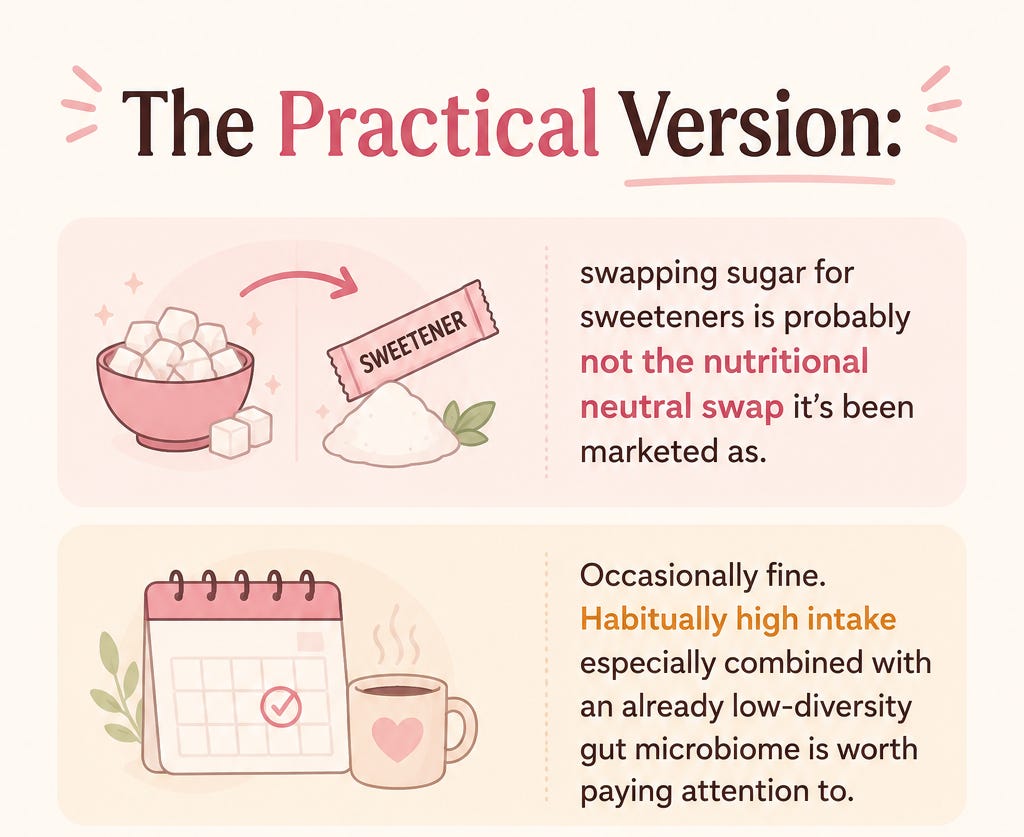
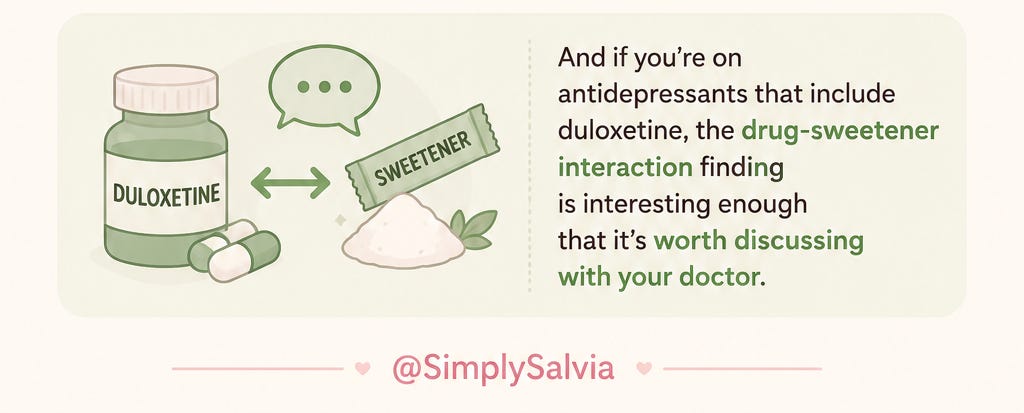
The bigger point: this is one more piece of evidence that what looks “calorie-free” isn’t necessarily effect-free. The gut microbiome is sensitive to a lot of things, and sweeteners are apparently one of them.
Your Skin Is Ageing Before You Can See It. A July 2026 Study Just Showed What That Looks Like.
This one is specifically relevant for anyone who’s read the collagen short dive, the sunscreen guide, or any of the skin longevity content I’ve covered.
A study published in ACS Nano on July 16, 2026, from Hiroshima University, developed a technique that can detect the very earliest damage to collagen in skin, before any of it is visible under conventional imaging. The finding: collagen doesn’t start falling apart visibly first. It starts losing its precise molecular organisation first. The structure begins to disintegrate at the smallest scale before it shows up as thinner fibres, fragmentation, or visible wrinkling.
To put it simply: the skin can look completely intact in a standard scan while something has already started happening underneath, at a level too small for current tools to see.
Dr. Barbara Kubicka described it as:
“skin aging may begin long before we can see it, arguing the case for preventative measures rather than just treating when it happens.”
Which is a very elegant summary of why the sunscreen and SPF conversation matters before you can see any damage.
What this doesn’t change: we don’t have treatments that target this pre-visible stage yet. The imaging technique is not clinically available. This is foundational research, not a diagnostic tool you can book.
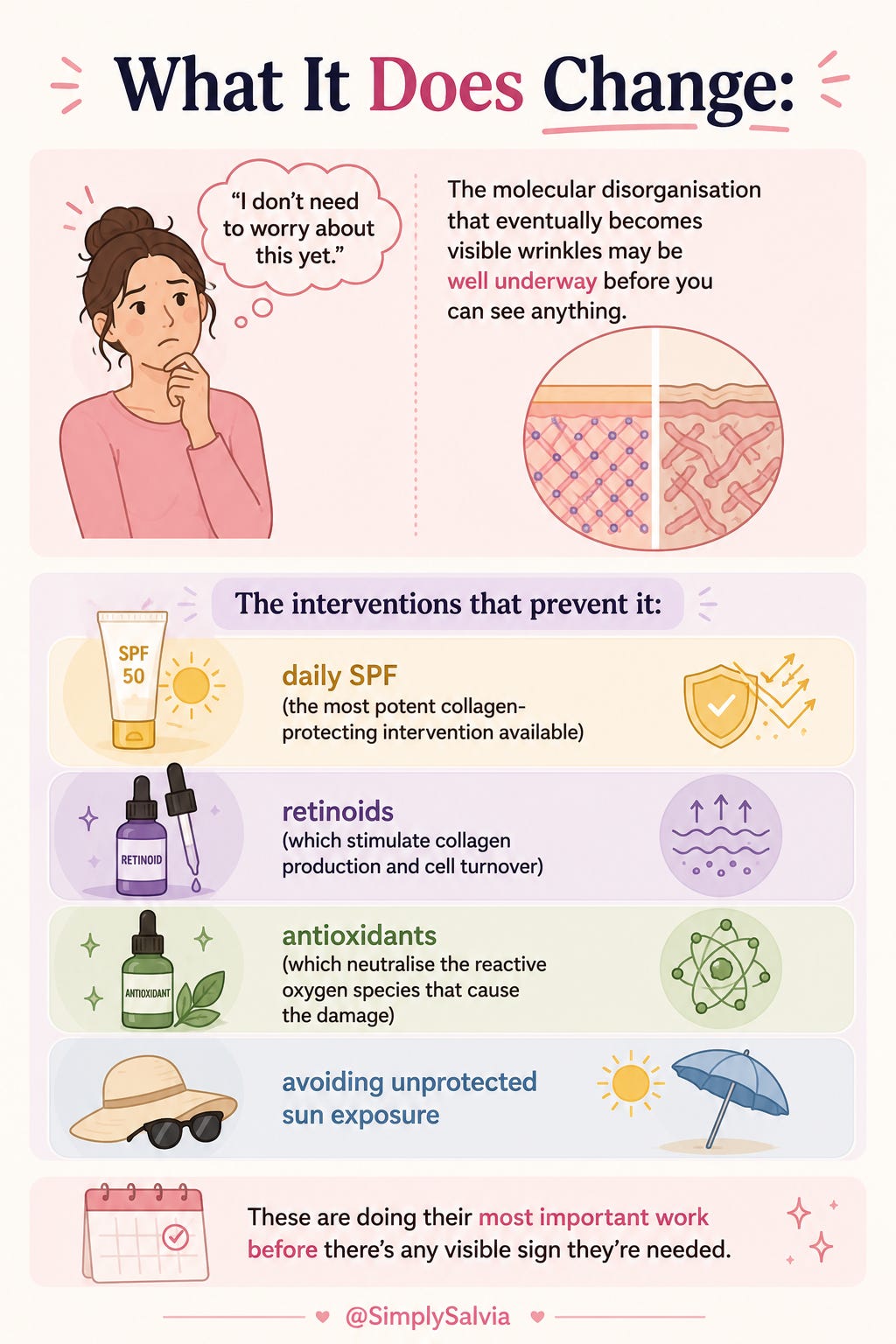
Prevention looks like nothing happening. That’s the whole point of it.
Why You Can’t Sleep When It’s Hot: The Actual Biology (And What To Do)
It’s a heatwave. A significant portion of people reading this are probably sleeping terribly right now. So here’s the biology of why, and then the interventions that are actually backed by sleep research rather than just “have you tried a fan.”
Your body needs to drop its core temperature by approximately 1°C to fall asleep and stay asleep. This drop is regulated by your circadian clock and is a physical requirement for entering deep, slow-wave sleep. In normal conditions, this happens through a process called distal vasodilation; blood is sent to your hands and feet, where heat radiates away from your body, cooling your core.
When the room is too warm, this process is physically blocked. Your body can’t offload heat through the skin efficiently enough. The sleep attempt fails not because your brain is doing something wrong but because the physical conditions for deep sleep don’t exist in a hot room.
The research on optimal sleep temperature: between 16–19°C (60–67°F) for most adults. This is significantly cooler than most people keep their bedrooms. Above 24°C, research shows measurable increases in nighttime waking and reduced slow-wave sleep.
For women in the luteal phase of their cycle, this is compounded further, progesterone raises baseline body temperature by 0.3–0.7°C, meaning the threshold for too-hot is lower in the two weeks before a period. Summer + late luteal phase is the combination most likely to destroy sleep quality.
What the sleep science actually supports for heatwaves:
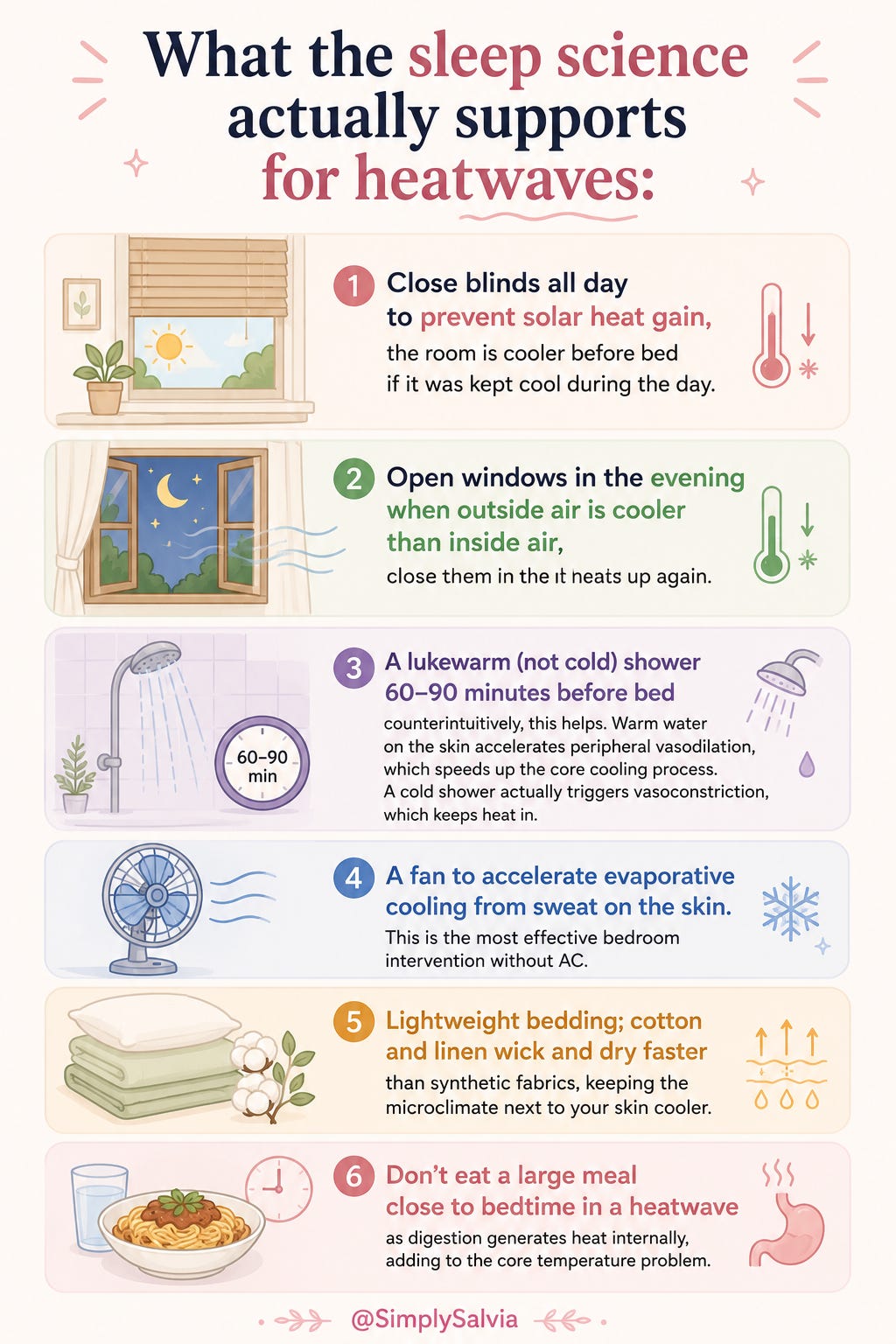
Close blinds all day to prevent solar heat gain, the room is cooler before bed if it was kept cool during the day
Open windows in the evening when outside air is cooler than inside air, close them in the morning before it heats up again
A lukewarm (not cold) shower 60–90 minutes before bed counterintuitively, this helps. Warm water on the skin accelerates peripheral vasodilation, which speeds up the core cooling process. A cold shower actually triggers vasoconstriction, which keeps heat in
A fan to accelerate evaporative cooling from sweat on the skin. This is the most effective bedroom intervention without AC
Lightweight bedding; cotton and linen wick and dry faster than synthetic fabrics, keeping the microclimate next to your skin cooler
Don’t eat a large meal close to bedtime in a heatwave as digestion generates heat internally, adding to the core temperature problem
The one most people get wrong: cold showers right before bed feel good but can temporarily raise arousal and make it harder to fall asleep because of the vasoconstriction response. Lukewarm, not cold.
Late-Night Eating Under Stress Makes Your Gut Worse. A New Study Found Exactly Why.
This finding from May 2026 is sitting quietly in the research and hasn’t gotten much attention, but it directly connects several things I’ve covered.
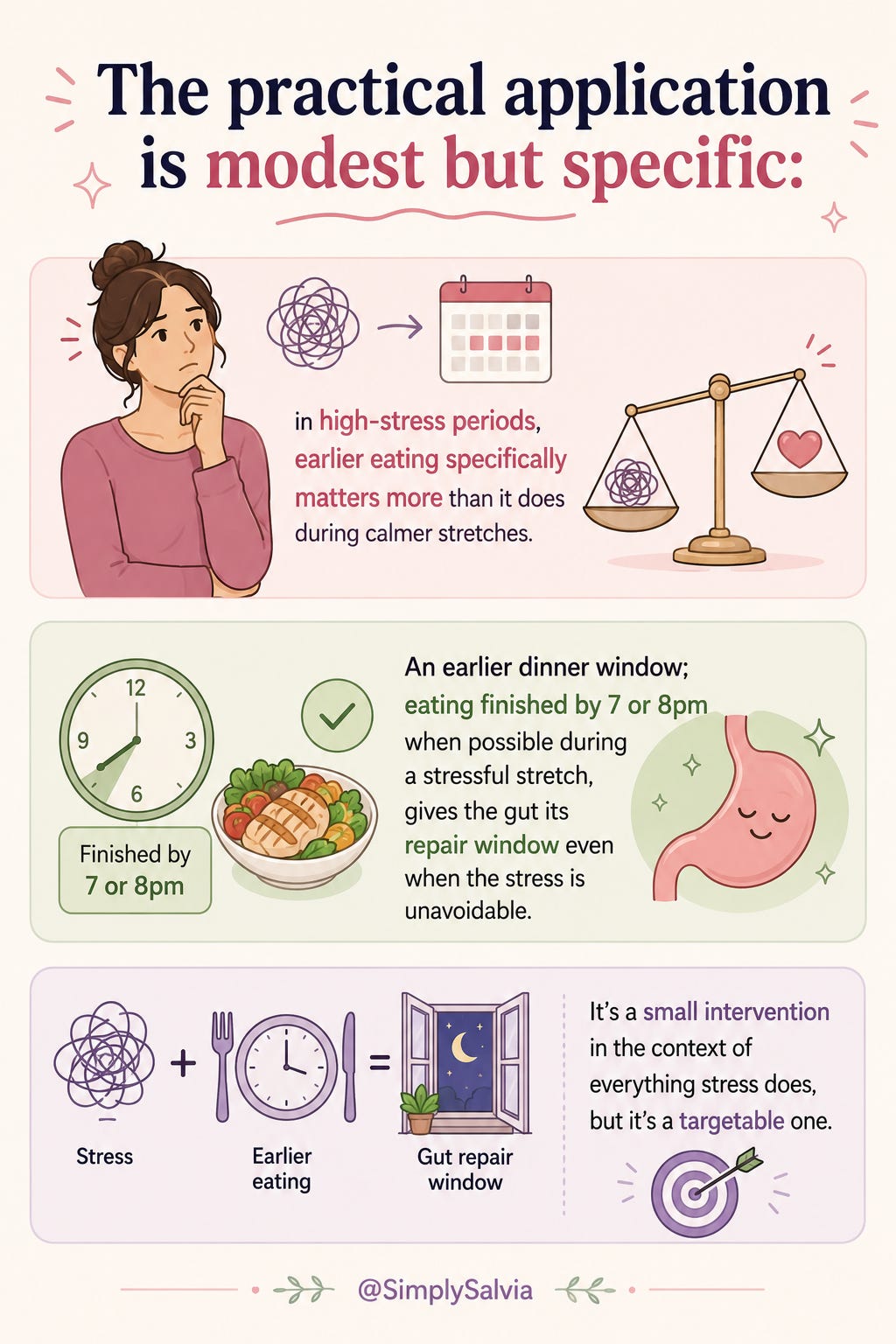
Chronic stress is already known to affect gut health, through the gut-brain axis, elevated cortisol changes gut motility, bacterial composition, and gut lining integrity. What this new study added is a specific amplification: people under high chronic stress who also ate late at night had measurably worse gut outcomes than people who were stressed but ate earlier in the day.
The mechanism is about circadian biology. The gut microbiome has its own circadian rhythm, different bacterial species are active and inactive at different times of day, and the composition of the gut environment shifts across a 24-hour cycle. When eating is pushed to late at night, it conflicts with the gut’s circadian programme, which is expecting rest and repair processes rather than active digestion. Combined with chronically elevated cortisol (which is already disrupting the gut environment), late-night eating appears to compound the gut damage from stress rather than just adding to it independently.
This is relevant for anyone who stress-eats late at night (which is extremely common. Stress increases appetite, particularly for high-carbohydrate foods, and cortisol peaks in the evening under chronic stress). The gut was already dealing with the cortisol. Adding late digestion on top of it gives it less recovery time.
The information in this post is for educational and informational purposes only. None of the above constitutes medical advice. Always consult a qualified healthcare professional for personal health concerns.
Between Saturdays is a weekly research roundup from Simply Salvia. Four things from science and wellness worth knowing about. If someone sent this to you, you can subscribe here.
Detailed Readings:
Sweeteners slow growth of important gut bacteria in lab tests
Common xenobiotics modulate gut microbial responses to low-calorie sweeteners in vitro
Scientists detect invisible early signs of skin aging
Can’t sleep in the heat? These 8 tricks could save your night
Late-night eating plus stress doubles the risk of bowel problems