


This edition is about mechanisms. Specifically, the biological mechanisms behind experiences that are common in women, widely documented, and until recently, poorly explained. Why gut pain is so much more prevalent in women. Why the gut-brain axis has become the most interesting area of mental health research in 2026. Why your skin’s biology makes certain habits a genuinely different calculation for women than for men. And a research thread, published just last month that ties the gut and estrogen and mood together in a way that changes how the whole picture looks.
Caught My Eye…
Why Women Get IBS More Than Men: A Nobel Laureate Just Found the Answer
Two thirds of people with irritable bowel syndrome are women. This has been known for decades. Why it’s true has been, until very recently, a genuine medical mystery, which is another way of saying it hadn’t been studied seriously enough.
A study published in the journal Science in December 2025, led by researchers at UCSF, including co-senior author David Julius, who won the 2021 Nobel Prize for his work on pain sensation found the mechanism. It’s estrogen. But not in the way you might assume.
The researchers expected to find estrogen receptors on a specific type of gut cell called enterochromaffin (EC) cells, which are known to signal pain from the gut to the spinal cord. Instead they found something unexpected: the estrogen receptors were clustered on a different, rarer cell type called L-cells in the lower colon. When estrogen binds to these L-cells, it triggers them to release a hormone called PYY (peptide YY). PYY then acts on neighbouring EC cells, causing them to pump out serotonin which activates the pain-sensing nerve fibres that signal to the brain.
When male mice were given estrogen to mimic the levels found in females, their gut pain sensitivity increased to match that of females. The mechanism isn’t just female anatomy, it’s female hormones actively turning up the gut’s pain sensitivity dial.
There’s a second layer that makes this even more interesting. Estrogen didn’t just increase baseline PYY release, it also caused L-cells to produce more receptors for short-chain fatty acids, the metabolites produced when gut bacteria break down certain fermentable foods. This means estrogen creates what the researchers called a “double hit”: it raises baseline gut pain sensitivity, and simultaneously makes L-cells more reactive to food-derived compounds in the colon.
This directly explains two things that have long puzzled IBS research. First, why low-FODMAP diets, which eliminate fermentable carbohydrates like onions, garlic, wheat, beans, and honey, help a significant subset of IBS patients: those foods produce the short-chain fatty acids that trigger the newly sensitised L-cells. Second, why women’s gut symptoms often fluctuate with their menstrual cycles, the estrogen-PYY-serotonin pathway would be more active at higher-estrogen points in the cycle, specifically around ovulation and in the follicular phase when estrogen peaks.
There’s also a retrospective clarity this finding brings to a long-standing pharmaceutical puzzle. For decades, PYY was understood primarily as an appetite-suppressing hormone, drug companies tried developing it as a weight-loss medication. Those trials were abandoned after participants reported severe gut distress. The new findings explain what was previously a mystery: PYY wasn’t just suppressing appetite, it was activating a gut pain pathway that nobody had mapped yet.
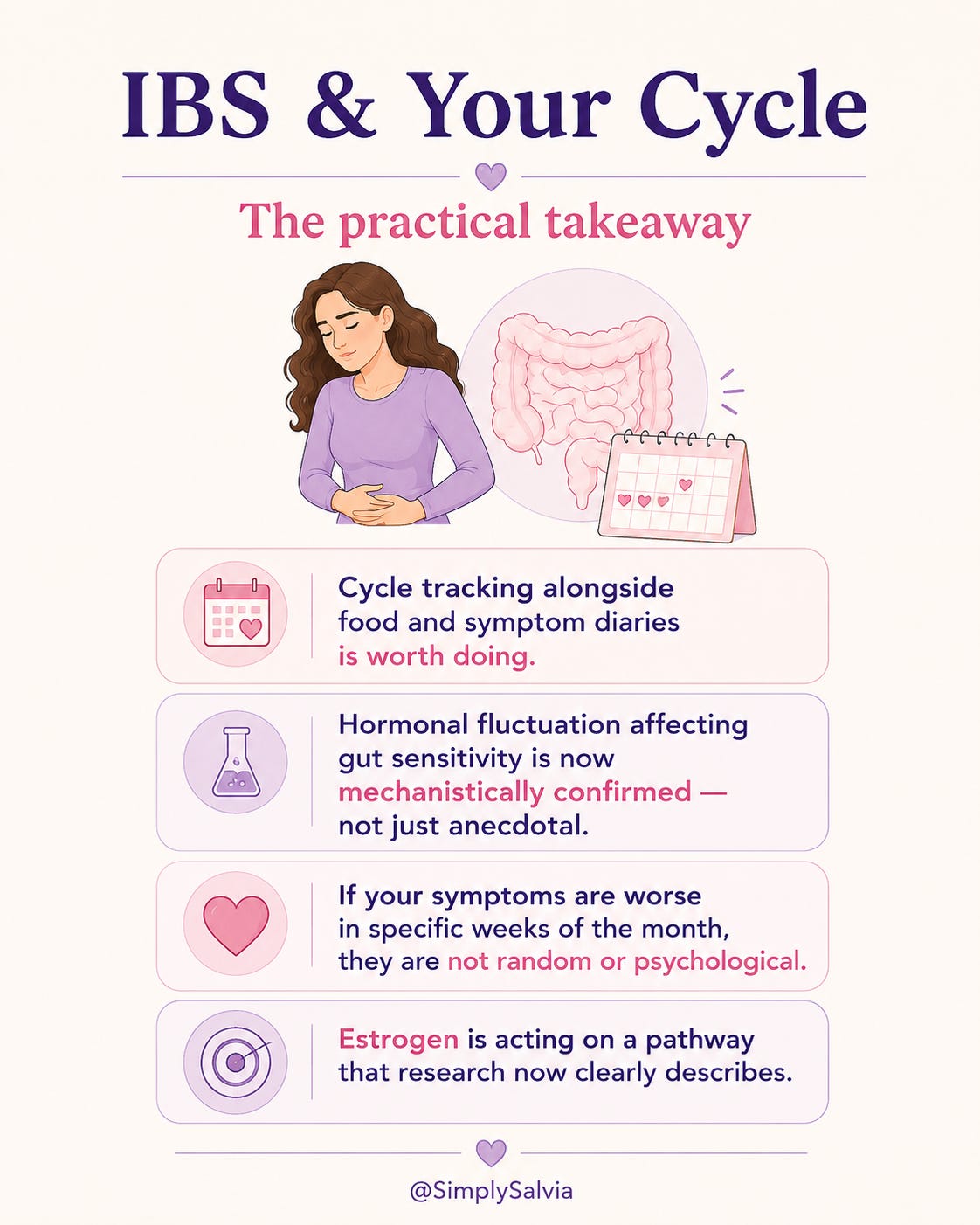
The practical takeaway for anyone managing IBS or chronic gut symptoms: cycle tracking alongside food and symptom diaries is worth doing, because the hormonal fluctuation affecting gut sensitivity is now mechanistically confirmed rather than anecdotally noted. Symptoms that are worse in specific weeks of the month aren’t random or psychological, they’re estrogen acting on a pathway that is now thoroughly described in the research.
Probiotics and Depression: The June 2026 Trial and What the Broader Evidence Now Says
A clinical trial published in the Journal of the American Geriatrics Society on June 17, 2026 found that daily probiotic supplementation, when added to standard antidepressant treatment, produced modest but meaningful improvements in depression and anxiety symptoms over 12 weeks, compared to placebo plus antidepressant alone. The trial also measured serum BDNF (brain-derived neurotrophic factor) a marker of brain plasticity and mood health and found meaningful differences between the groups.
This builds on a comprehensive scientific analysis covering over 1,400 clinically diagnosed patients that found probiotics are a potent tool against depression and anxiety.
But rather than treating this single trial in isolation, it’s worth contextualising it within the broader picture that’s been assembling in 2026:
A systematic review and meta-analysis published this year, covering RCTs of probiotic and prebiotic interventions in clinically diagnosed depression and anxiety patients, concluded: probiotics showed substantial reductions in depression symptoms and moderate reductions in anxiety symptoms. Up to 8 weeks of probiotic use compared with placebo was effective in reducing depressive and anxiety symptoms in clinically diagnosed patients.
A Frontiers in Microbiology review from March 2026 highlighted the gut-brain axis as a critical modulator of mental health, positioning specific probiotic strains — Lactobacillus rhamnosus, Bifidobacterium longum, and Lactobacillus gasseri specifically, as promising interventions for anxiety, stress, depression, and cognitive function.
The mechanism makes sense of this: the gut microbiome produces approximately 90-95% of the body’s serotonin and substantial amounts of GABA. It communicates with the brain via the vagus nerve and through circulating inflammatory cytokines. When gut composition is disrupted, these neurotransmitter and anti-inflammatory pathways are impaired at the source. Restoring gut diversity whether through diet, prebiotics, or specific probiotic strains can restore some of what’s been lost.
Two important caveats worth holding: the effects are currently most consistently demonstrated as an adjunct to existing treatment rather than a standalone replacement for it. And the specific strain matters enormously “probiotics” as a category cover hundreds of different bacterial strains with different mechanisms, and not all of them have the same effect. The consistent findings cluster around specific Lactobacillus and Bifidobacterium strains at adequate doses, not random probiotic supplements.
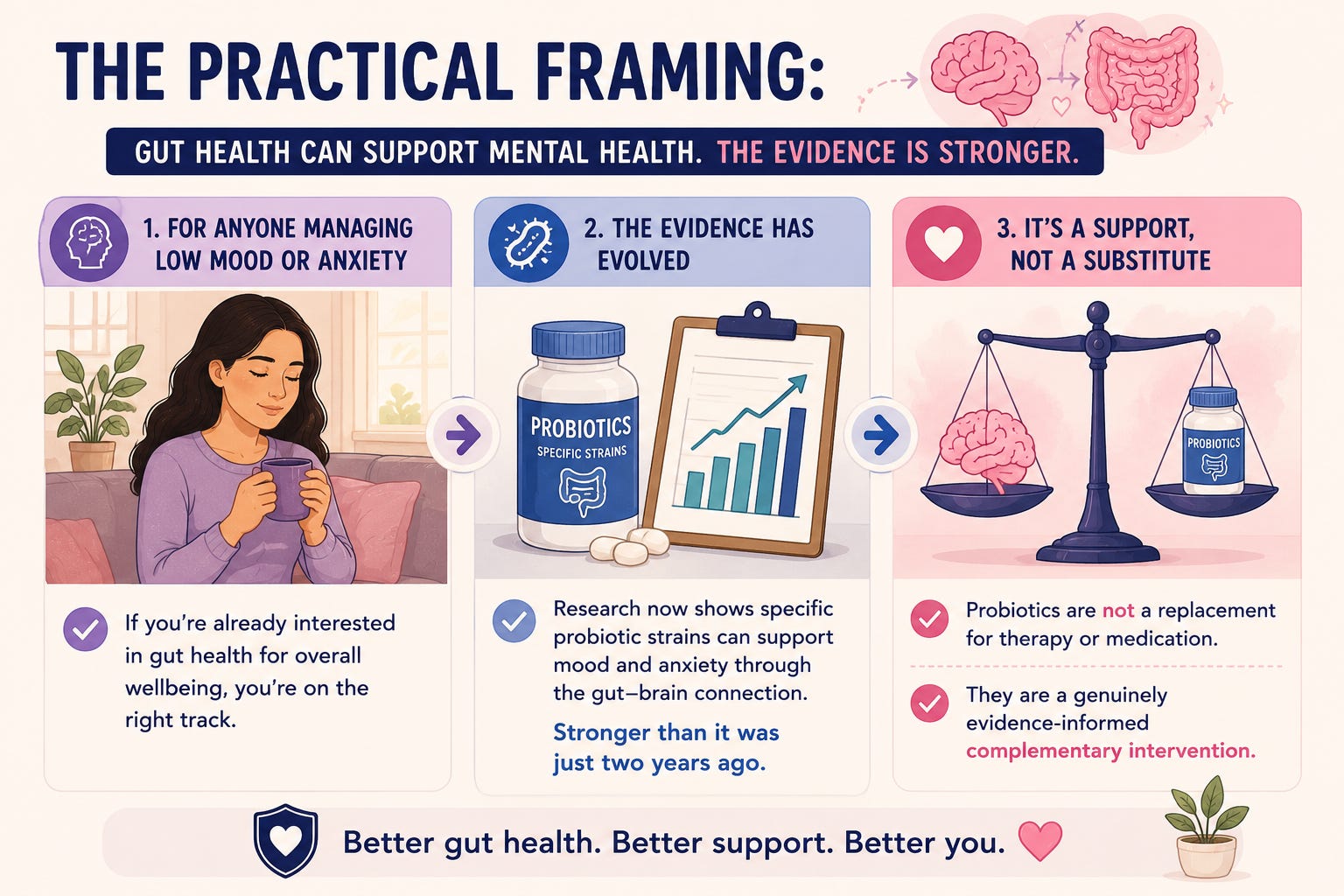
The practical framing: for anyone managing low mood or anxiety and already interested in gut health from a general wellbeing perspective, the evidence for specific probiotic strains as a supportive addition to broader treatment is now considerably stronger than it was two years ago. It isn’t a replacement for therapy or medication. It’s a genuinely evidence-informed complementary intervention.
The Estrobolome, Gut Bacteria, and Menopausal Health. A Major Review Just Connected the Dots
I’ve covered the estrobolome (the collection of gut bacteria responsible for metabolising estrogen) in previous editions focused on younger women and hormonal acne. A major review published in April 2026 in PMC now pulls together a comprehensive picture of how the estrobolome intersects with menopausal health specifically, and the findings are significant enough to stand alone.
This review synthesises current understanding of the bidirectional relationship between estrogen and the gut microbiome and its implications for women’s health during menopause including cardiometabolic, musculoskeletal, and urogenital disorders.
The core relationship: when gut microbiome diversity is high, estrogen is metabolised and cleared from the body efficiently. When diversity is low driven by poor diet, antibiotic use, chronic stress, or poor sleep, an enzyme called beta-glucuronidase becomes overactive, and oestrogen that should be excreted gets reabsorbed back into the bloodstream. This creates a state of impaired estrogen clearance that has different implications across different phases of a woman’s life.
In the menopausal transition, where estrogen is already declining, poor estrobolome function can amplify the hormonal instability of perimenopause, making the fluctuations more extreme, worsening the symptoms of both estrogen highs and estrogen lows that characterise this transition. The review found consistent associations between gut microbiome composition and several menopausal health markers: bone density, cardiovascular risk, mood and cognitive symptoms, and vaginal health.
What this adds to the menopausal conversation that’s been running across previous editions: the gut microbiome is not only relevant to younger women managing acne and cycle symptoms. It’s a significant and modifiable variable in menopausal health outcomes, one that sits outside the HRT conversation but may complement it. The dietary pattern that most consistently supports a healthy estrobolome (high-fibre, fermented foods, reduced ultra-processed food) is a longitudinal investment, not a perimenopausal intervention. Starting now, regardless of where you are in your hormonal timeline, is more useful than starting at the point when symptoms arrive.
The Shingles Vaccine Finding That Isn’t Just About Shingles
The shingles vaccine (Shingrix) was developed to prevent varicella-zoster virus reactivation. Its mechanism is immunological (it primes the immune system against a specific pathogen). The finding that it also reduces cardiac events and mortality by these magnitudes in high-risk populations points to something more systemic: the chronic, low-grade inflammation produced by latent viral infections (herpes viruses, including varicella-zoster, stay in the nervous system after the initial infection) may be a driver of cardiovascular disease that’s largely been overlooked in standard cardiac risk assessment.
This fits a growing body of research connecting chronic viral burden, the accumulated latent infections your immune system is managing at any given time, with systemic inflammation and cardiovascular risk. Cytomegalovirus, Epstein-Barr virus (the one that causes mono), and herpes simplex are all under active investigation as contributors to atherosclerosis and cardiovascular events through the same inflammatory pathway.
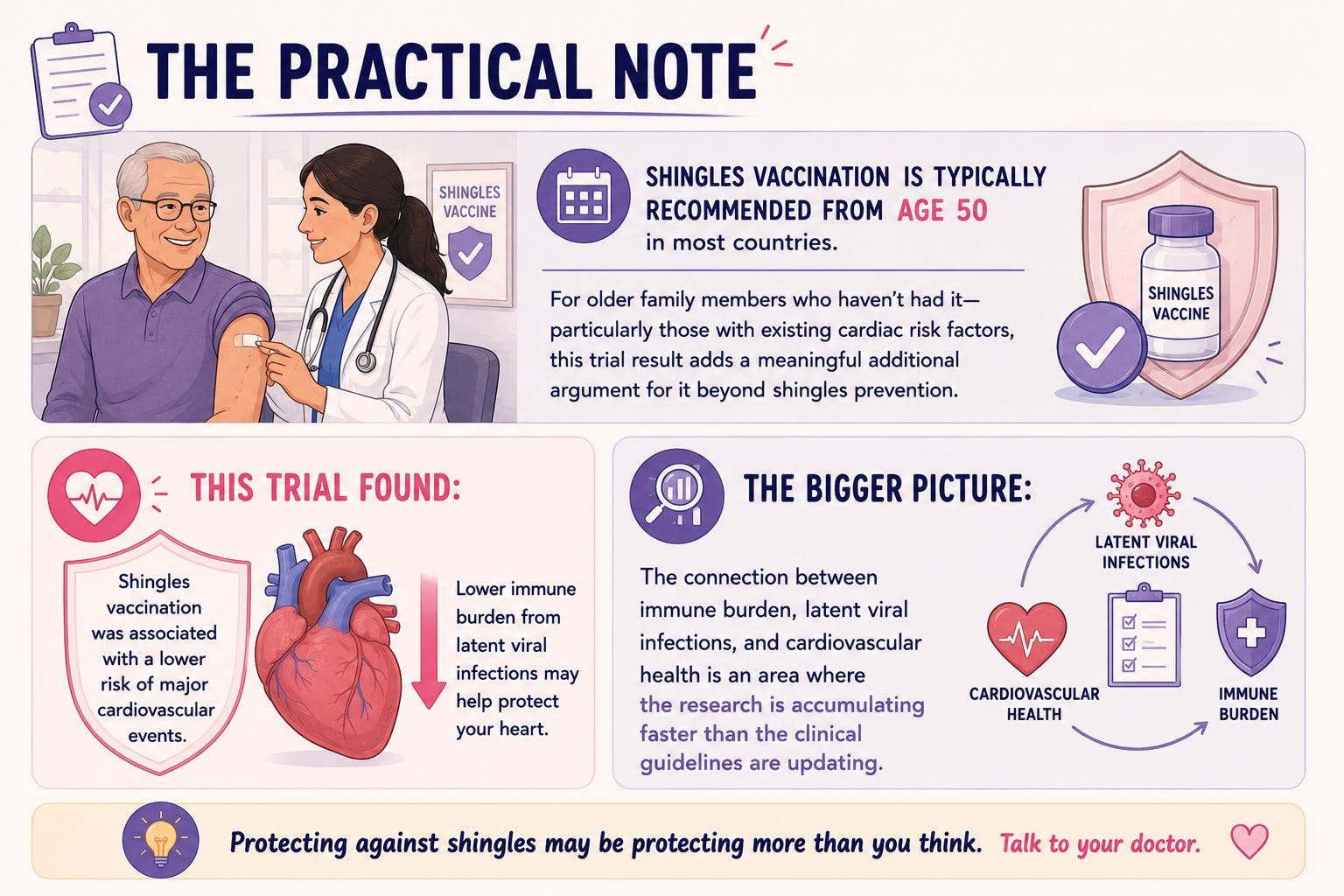
The practical note: shingles vaccination is typically recommended from age 50 in most countries. For older family members who haven’t had it particularly those with existing cardiac risk factors, this trial result adds a meaningful additional argument for it beyond shingles prevention. And more broadly: the connection between immune burden, latent viral infections, and cardiovascular health is an area where the research is accumulating faster than the clinical guidelines are updating.
The information in this post is for educational and informational purposes only. None of the above constitutes medical advice. Always consult a qualified healthcare professional for personal health concerns.
Between Saturdays is a weekly research roundup from Simply Salvia. Four things from science and wellness worth knowing about. If someone sent this to you, you can subscribe here.
Detailed Readings
A Cellular Basis for Heightened Gut Sensitivity in Females
Toward Hormone-Aware Pain Treatments: Estrogen, Diet, and the Biology of IBS
A daily probiotic may help relieve depression and anxiety
Psychobiotics in mental health: insights from human clinical trials via the gut-brain axis
Diet, the Gut Microbiome, and Estrogen Physiology: A Review in Menopausal Health and Interventions
This common vaccine cuts heart risk nearly in half in new study