


Herbal teas feel soft, familiar, harmless, something we sip while doing life. But beneath the ritual sits real pharmacology. Plants carry molecules that the body recognizes: polyphenols that relax vessels, volatile oils that calm the gut, flavonoids that shape neurotransmitters.
This week’s four studies look at where folklore and clinical evidence meet, and where a simple cup can meaningfully shift physiology.
Caught My Eye…
Ginger for Nausea & Vomiting in Pregnancy
Across modern randomized trials and meta-analyses, ginger remains one of the most consistently supported natural options for pregnancy-related nausea and vomiting (NVP).
Most studies use ≈1 gram per day, usually divided across capsules, but teas and food-based forms are widely used and likely effective at comparable doses.
The pattern is clear:
Nausea intensity decreases
Episodes of vomiting reduce
Overall symptom scores improve vs. placebo
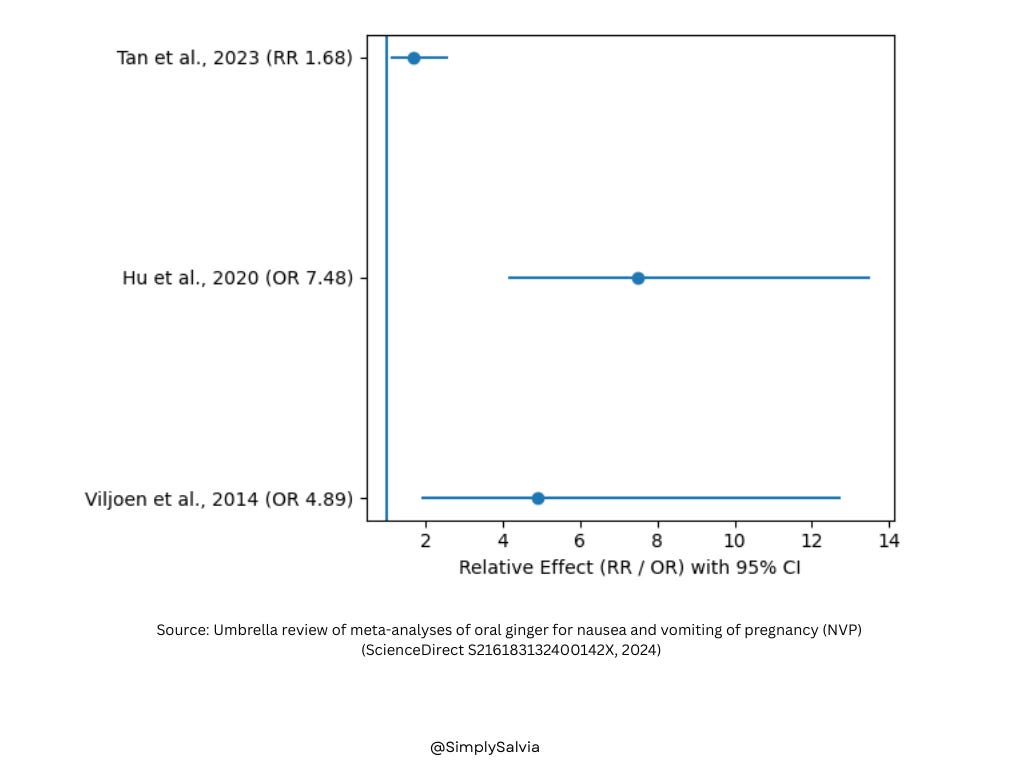
Importantly, these studies include women in early gestation, the peak of NVP and show a good safety profile at typical doses. Ginger does not replace antiemetics for severe cases, but for mild to moderate NVP, the evidence is steady and reassuring.
Hibiscus Tea for Blood Pressure Support
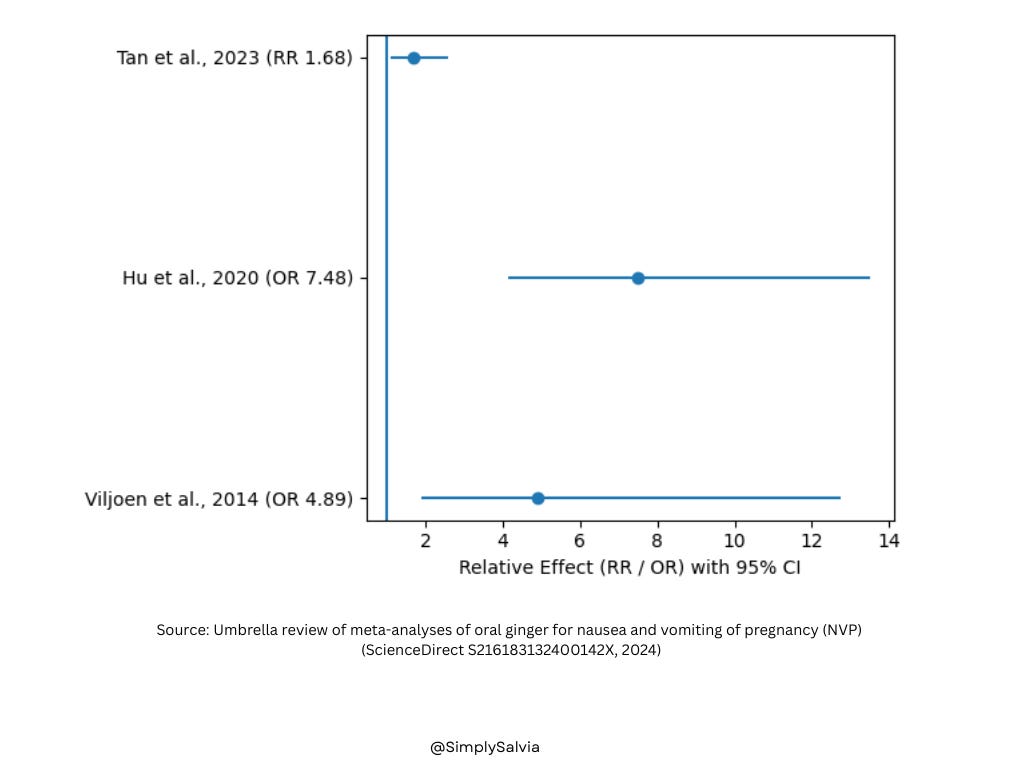
Hibiscus sabdariffa aka the deep red herbal tea has more cardiovascular data behind it than most people realize. A pooled analysis of randomized trials shows that hibiscus consumption significantly lowers both systolic and diastolic blood pressure compared with placebo or standard advice.
Most interventions used brewed hibiscus infusions, taken daily for several weeks.
Across studies, effects tended to cluster around:
SBP ↓ 7–10 mm Hg
DBP ↓ 3–5 mm Hg
These are clinically meaningful changes comparable to early low-dose antihypertensive responses. Mechanistically, hibiscus polyphenols appear to relax vascular smooth muscle and support nitric oxide pathways. For adults with pre-hypertension or mild hypertension, this is one of the few herbal teas with reproducible, measurable benefits.
Chamomile for Postpartum Sleep & Mood
In a clinical trial of 80 postpartum women, daily chamomile tea for two weeks:
Improved sleep quality,
Reduced daytime dysfunction, and
Lowered depressive symptom scores compared with placebo.
Effects tapered after stopping, a sign that chamomile works more like gentle ongoing support than a long-lasting intervention.
A 2024 meta-analysis of chamomile trials echoes this: chamomile produces small but significant improvements in sleep quality and modest reductions in anxiety symptoms.
Lemon Balm Tea
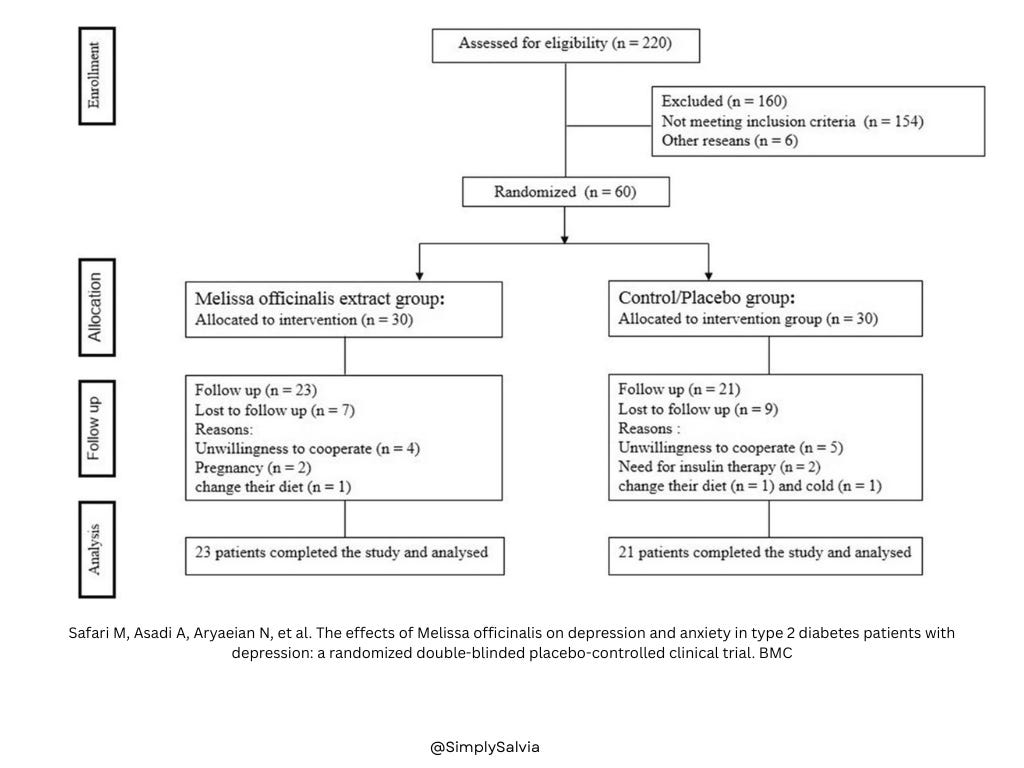
In an 8-week randomized trial, lemon balm extract (standardized leaf preparation) significantly reduced anxiety and depressive symptoms versus placebo in adults with type 2 diabetes, a group where metabolic stress often amplifies emotional symptoms.
Recent reviews map out the likely mechanisms:
Modulation of GABA pathways (calming)
Mild cholinergic effects (cognitive steadiness)
Antioxidant and anti-inflammatory actions
While most clinical trials use capsules or standardized extracts, lemon balm tea remains a traditional delivery form and may offer similar though smaller benefits. For people experiencing blended anxiety/depression symptoms, lemon balm sits in the rare category of herbs with controlled-trial support.